-
 Gosaikunda Luribina Pass Trek
Gosaikunda Lauribina Pass Trek - 8 Days
Combines Hindus and Buddhists Lauribina La Pass at 4,610 m trekTRIP COST
Contact Us
Contact Us
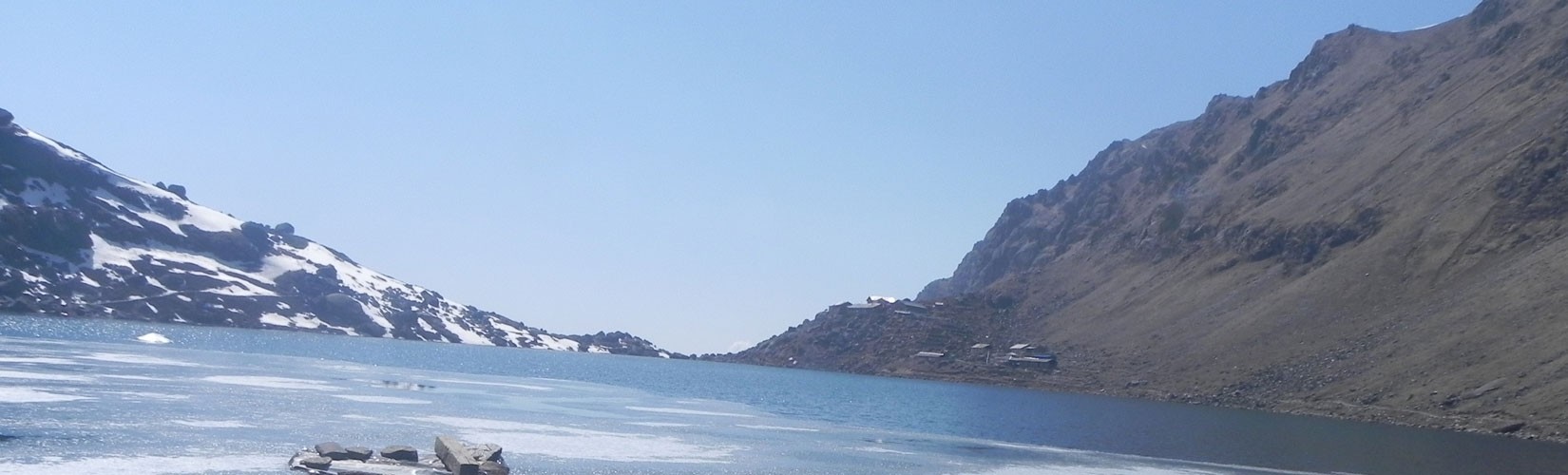
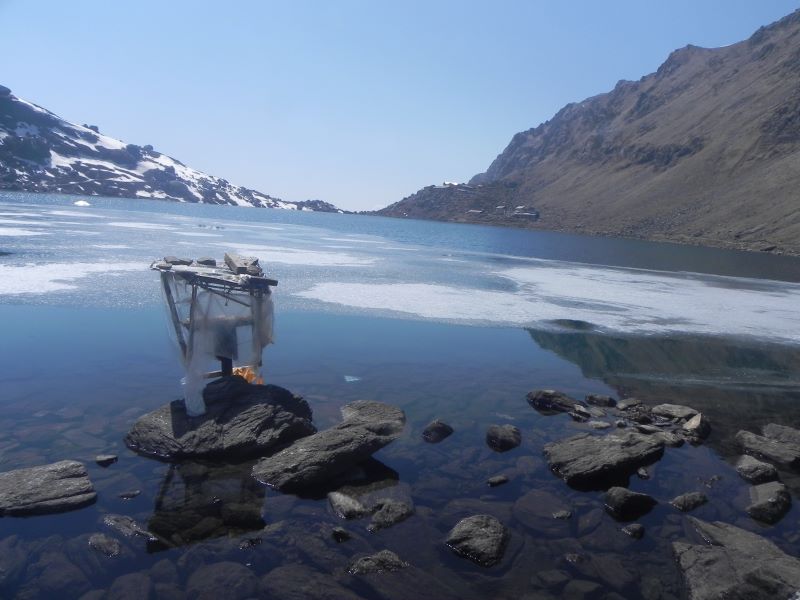
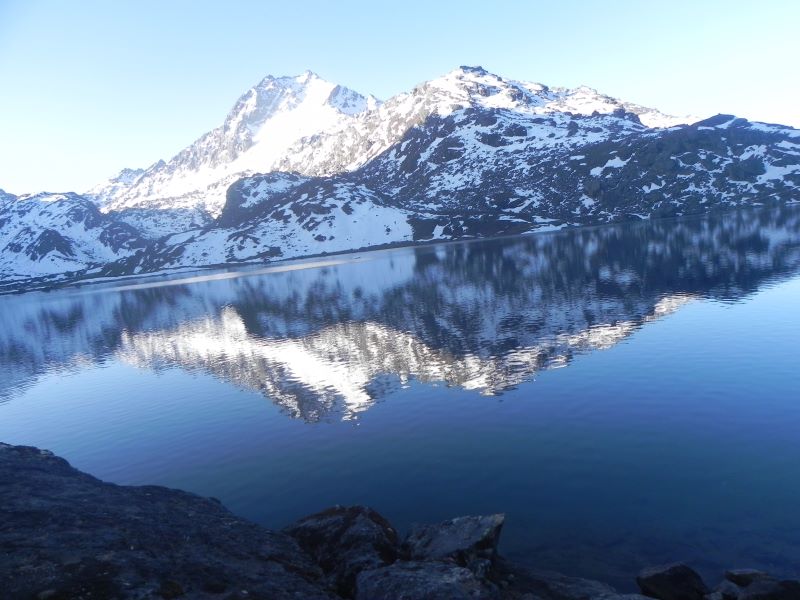
Gosaikunda Lauribina Pass Trek is also known as the Gosaikunda Lake Trek. Gosaikunda Lake is one of the holiest lakes for Hindus and Buddhists, situated at an altitude of 4,380 m (14,370 ft) in the Rasuwa District of Nepal. The lake is the source of the Trishuli River. Nepal is renowned for its scenic beauty and magnificent mountain views, and the Gosaikunda Lauribina Pass Trek is a perfect example of the country's natural and cultural richness. This trek combines the Langtang Valley Trek, Gosaikunda Lake, and the Helambu region. The journey offers an excellent experience of the Langtang Valley, spectacular views of Gosaikunda Lake, and the natural beauty of Helambu, while providing opportunities to experience Tamang and Hyolmo cultures along the route.
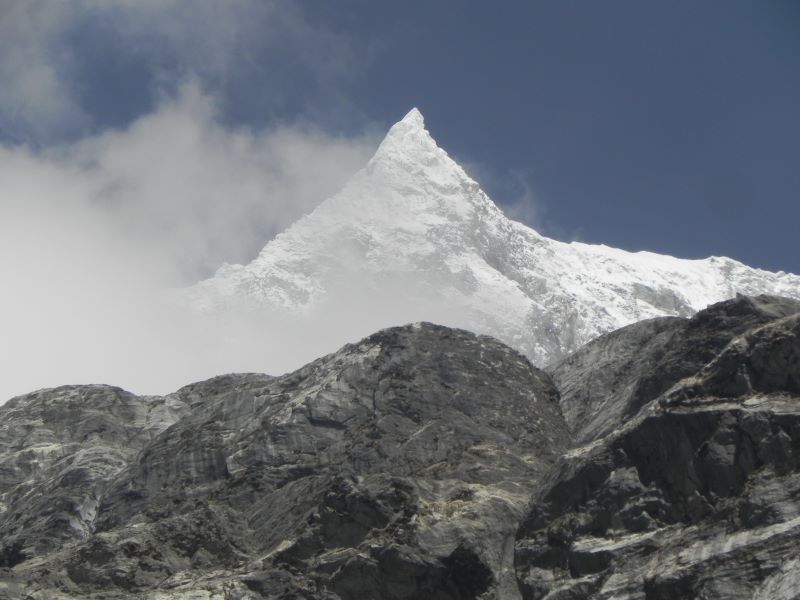
During the trek to Gosaikunda Lake, you can enjoy spectacular views of the Himalayan ranges, including Himal Chuli (7,893 m), Manaslu (8,156 m), and Ganesh Himal (7,406 m) to the west. You can also see Langtang Lirung and other impressive peaks along the route. Crossing Lauribina Pass provides a magnificent first view of the sacred lakes from the north. The Langtang region is home to more than 100 small lakes, with Saraswati Kunda, Bhairab Kunda, and Gosaikunda being the three most prominent. Each lake has its own religious and cultural significance, and there are several fascinating legends associated with Gosaikunda.
Religious Significance of Gosaikunda Lake: According to Hindu mythology, Gosaikunda Lake is believed to be the abode of Lord Shiva and Goddess Gauri. According to legend, the lake was formed when Lord Shiva struck the ground with his trident (Trishul), creating a source of water. Gosaikunda is mentioned in several Hindu scriptures and holds great religious significance. Every year, thousands of Hindu pilgrims from Nepal and India visit Gosaikunda to pay their respects, particularly during the festival of Janai Purnima, which generally falls in August.
Another popular legend explains the origin of Gosaikunda. According to Hindu mythology, the gods and demons churned the primordial ocean to obtain the elixir of immortality. During this process, a deadly poison was released. To protect the world from the poison, Lord Shiva drank it and held it in his throat, which turned blue. To relieve the burning sensation caused by the poison, Lord Shiva struck the earth with his trident, creating three springs. The water from these springs eventually formed beautiful lakes, including Gosaikunda. It is believed that Lord Shiva drank the water of the lake to soothe his burning throat.
Natural and Cultural Beauty: In addition to its religious significance, Gosaikunda is rich in natural beauty. The Gosaikunda Lauribina Pass Trek offers opportunities to explore diverse wildlife, lush forests filled with wildflowers, and various species of flora and fauna. The trek also provides breathtaking views of the surrounding natural landscapes. Beyond the spectacular scenery, the trek offers an opportunity to experience Nepal's rich cultural diversity. The region is home to several ethnic communities, including Tamang, Brahmin, Newar, and Hyolmo communities, each with its own unique traditions, lifestyles, and cultural heritage.
Best Time to Visit Gosaikunda Lauribina Pass: The Gosaikunda Lauribina Pass Trek begins with a scenic 7–8-hour drive from Kathmandu to Dhunche. From Dhunche, the trekking journey begins, passing through beautiful villages, forests, hills, and mountain landscapes before reaching the sacred Gosaikunda Lake.
The best seasons for the Gosaikunda Lauribina Pass Trek are autumn (October to December) and spring (March to May). During these months, the weather is generally favorable, with clear skies and excellent mountain views. If you wish to experience the religious atmosphere of the Janai Purnima festival, July or August can also be an ideal time to visit, although the weather can be more unpredictable during the monsoon season.
Trip Highlights
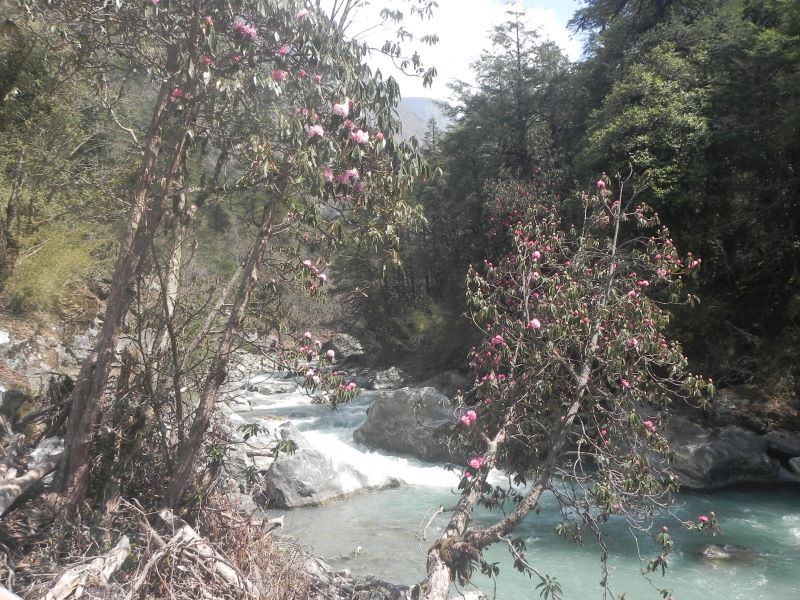
- Magnificent Blue alpine forest, yak pastures, passages through oak, conifer, and rhododendron forest, rapid mountain streams, and craggy, rocky landscape.
- Splendid Mountain View Mt:Shisa Pangma Mt: Langtang Lirung, Mt: langsisa, Mt: Ganjala Peak, with Holy Mt: Ganesh Himal from the top of Lauribina la hill and many more.
- Local Cheese factory in Chandanbari (Sing Gompa), a snow-capped hill with pine forests around.
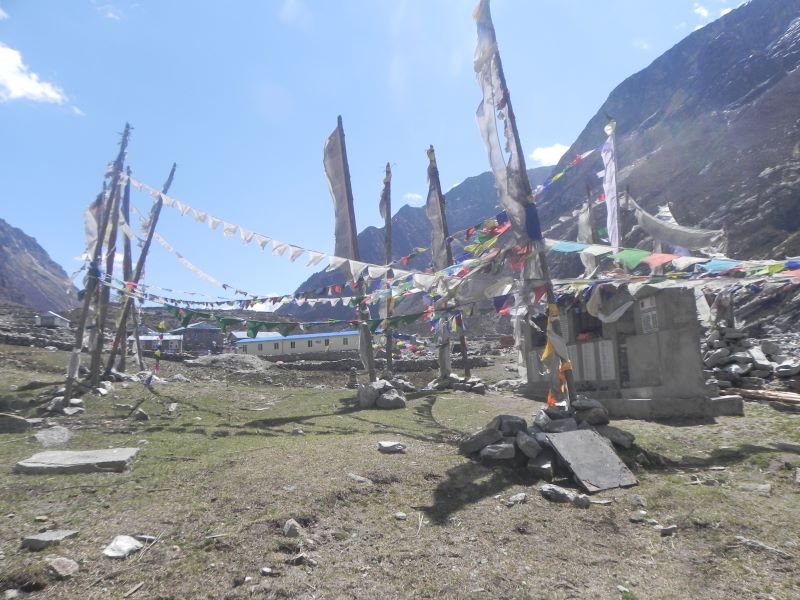
- Tibetan Buddhist Culture and shrines, Chortane along the way, and the majority of Tamang, Sherpa, and Gurung people.
- There are seven Most popular and sacred Kundas (pond) -Nag kunda, bhairav Kunda, Gosai kunda, sarasoti kunda, Uma Kunda, Barda Kunda,surya kunda.
- The entire Himalayan ecosystem houses rare types of Red pandas, snow leopards, Himalayan tahr (blue sheep), wild pigs, Himalayan Black Bears, etc.
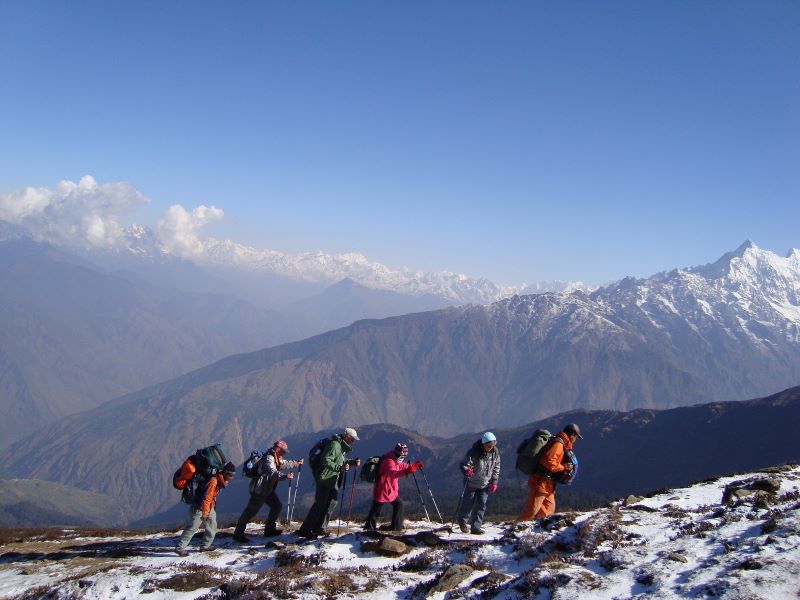
- View from Lauribina La Pass (4,610 m): splendid views over a dozen mountain vistas.
- Spectacular views crosswise of massive open valleys at the end of the trek.
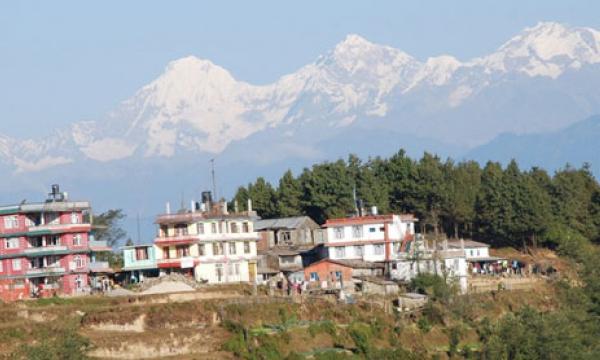
- A beautiful village, Chasapani and sunrise in the morning view with 3 Differents Himalayan ranges -Annapurna, Langtang, and eastern Himalayan ranges, including Mt: Everest and full of Nature through Shivpuri Nation park.
- A day tour of Pashupatinath, Swayambhunath, Boudhanath, and the Kathmandu Durbar Square (UNESCO World Heritage Sites in Kathmandu).
Outline Itinerary:
Short Itinerary
Day 01:Arrival in Kathmandu and transfer to the hotel(1,300 m).
As we received your flight schedule, our airport representative will be waiting on time at the (TIA) Tribhuvan International Airport (TIA) in Kathmandu for your arrival. We will drop you off at your Hotel in a private vehicle, and you will stay overnight in Kathmandu.
Day 02:Kathmandu city tour and further tour planning (1,360 m).
After breakfast, we begin our sightseeing tour of Kathmandu, visiting four remarkable UNESCO World Heritage Sites. Our tour includes the historically and architecturally rich Kathmandu Durbar Square, the sacred Hindu temple of Pashupatinath, the fascinating “Monkey Temple” (Swayambhunath), and the magnificent Boudhanath Stupa, one of the largest stupas in the world.
We will also explore the local markets and experience the vibrant atmosphere of Kathmandu. After completing our sightseeing tour in the late afternoon, we return to the hotel for a brief trek preparation meeting. This will be an opportunity to meet your trekking team and get acquainted with your guide and porters.
You will then have some free time to explore the lively streets of Thamel or purchase any last-minute trekking gear and essentials you may need. Overnight at your hotel in Kathmandu.
We will also explore the local markets and experience the vibrant atmosphere of Kathmandu. After completing our sightseeing tour in the late afternoon, we return to the hotel for a brief trek preparation meeting. This will be an opportunity to meet your trekking team and get acquainted with your guide and porters.
You will then have some free time to explore the lively streets of Thamel or purchase any last-minute trekking gear and essentials you may need. Overnight at your hotel in Kathmandu.
Day 03:Drive from kathmandu to Dhunche (2,030 m) 6-7 hours Drive.
After breakfast, you will head towards Dhunche, which is approximately 118 km from Kathmandu. The journey takes around 6 hours by private jeep and approximately 7 hours by local bus.
This will be an interesting journey along winding, zigzag roads through scenic hills and beautiful villages. Throughout the drive, you will be amazed by the natural beauty and magnificent views of the Himalayan peaks, including Manaslu, Ganesh Himal, and Langtang.
Along the way, you can enjoy local food, cross the Trishuli River, and pass through the national park checkpoint. Finally, you will arrive at Dhunche, the gateway to the Gosaikunda region.
Overnight at a hotel.
This will be an interesting journey along winding, zigzag roads through scenic hills and beautiful villages. Throughout the drive, you will be amazed by the natural beauty and magnificent views of the Himalayan peaks, including Manaslu, Ganesh Himal, and Langtang.
Along the way, you can enjoy local food, cross the Trishuli River, and pass through the national park checkpoint. Finally, you will arrive at Dhunche, the gateway to the Gosaikunda region.
Overnight at a hotel.
Day 04:Trek from Dhunche to Sing Gompa(3,340mt) 5 hours walk.
From today, your trekking adventure officially begins. After breakfast, you will begin a scenic uphill trek of approximately 6 hours towards Sing Gompa.
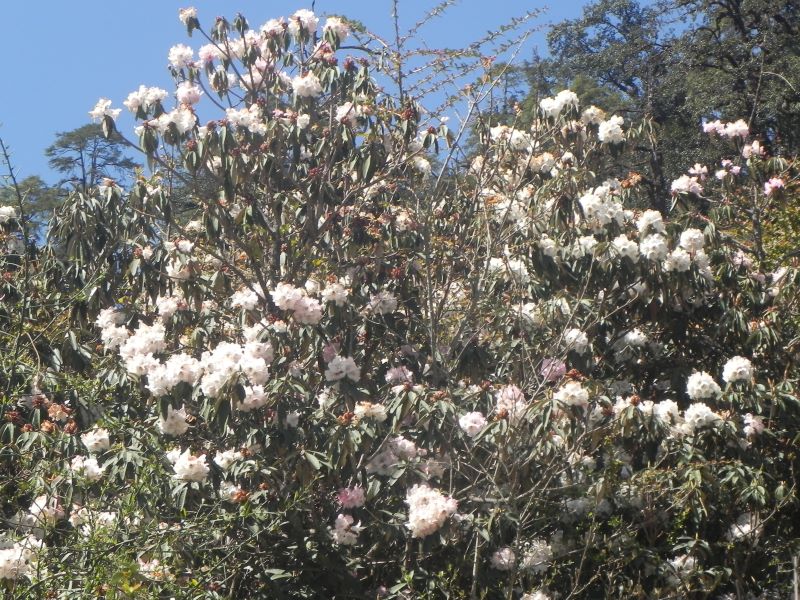
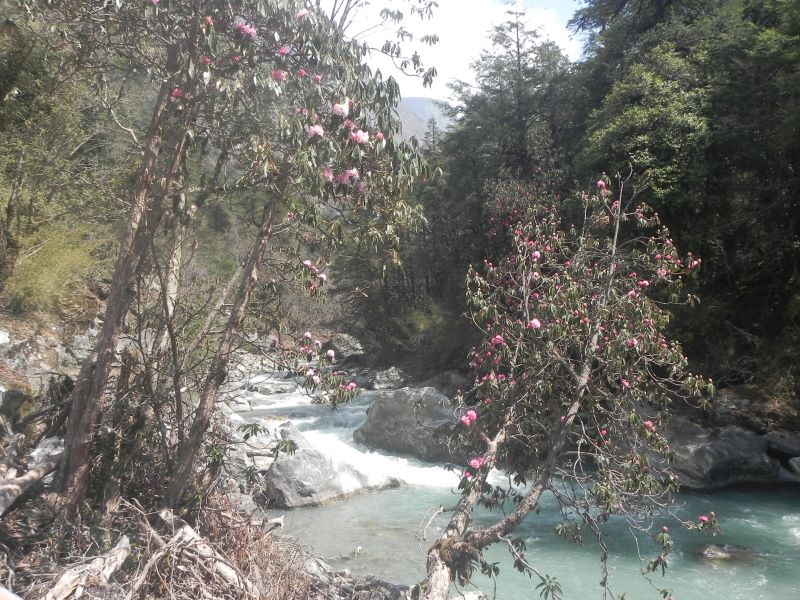
Along the way, you will pass the Himalayan mineral water factory and cross several suspension bridges while enjoying beautiful landscapes and lush rhododendron forests. The magnificent views of the Langtang Mountains will accompany you throughout the journey.
The trail passes through beautiful natural surroundings and villages inhabited by the local Tamang community. After passing the army checkpoint, you will continue towards Sing Gompa. Upon arrival, you can explore the local cheese factory and learn about the traditional cheese-making process.
Overnight at a teahouse.
Along the way, you will pass the Himalayan mineral water factory and cross several suspension bridges while enjoying beautiful landscapes and lush rhododendron forests. The magnificent views of the Langtang Mountains will accompany you throughout the journey.
The trail passes through beautiful natural surroundings and villages inhabited by the local Tamang community. After passing the army checkpoint, you will continue towards Sing Gompa. Upon arrival, you can explore the local cheese factory and learn about the traditional cheese-making process.
Overnight at a teahouse.
Day 05:Trek from Sing Gompa to Gosaikunda holi lake (4,410m) 6 hours walk.
After breakfast at the lodge, we begin our trek toward Gosaikunda. The first section of the trail ascends gradually toward Lauribinayak. From the top of Lauribinayak, we are rewarded with spectacular panoramic views of the surrounding mountains and landscapes.
From Lauribinayak, the trail becomes steeper as we continue toward Gosaikunda. We follow a rugged trail with dramatic mountain scenery along the way. To the west, we can enjoy views of Himalchuli (7,893 m), Manaslu (8,156 m), the Ganesh Himal range (7,406 m), the Tibetan peaks, and Langtang Lirung. On a clear morning, the Annapurna range may also be visible in the distance. To the north, the magnificent Langtang Lirung rises above the valley.
As we continue, we pass a few small huts in the high pastures of Lauribinayak before crossing a small ridge, from where we get our first views of the sacred lakes of Gosaikunda.
There are around a dozen lakes in the Gosaikunda Basin, with the three most prominent being Saraswatikunda, Bhairab Kunda, and Gosaikunda. According to Hindu mythology, Gosaikunda was created by Lord Shiva when he pierced the ground with his trident to obtain water and quench his thirst after drinking a deadly poison that threatened to destroy the world.
After enjoying the magnificent scenery and exploring the sacred lake area, we settle into the lodge for the evening.
Overnight at a lodge in Gosaikunda.
From Lauribinayak, the trail becomes steeper as we continue toward Gosaikunda. We follow a rugged trail with dramatic mountain scenery along the way. To the west, we can enjoy views of Himalchuli (7,893 m), Manaslu (8,156 m), the Ganesh Himal range (7,406 m), the Tibetan peaks, and Langtang Lirung. On a clear morning, the Annapurna range may also be visible in the distance. To the north, the magnificent Langtang Lirung rises above the valley.
As we continue, we pass a few small huts in the high pastures of Lauribinayak before crossing a small ridge, from where we get our first views of the sacred lakes of Gosaikunda.
There are around a dozen lakes in the Gosaikunda Basin, with the three most prominent being Saraswatikunda, Bhairab Kunda, and Gosaikunda. According to Hindu mythology, Gosaikunda was created by Lord Shiva when he pierced the ground with his trident to obtain water and quench his thirst after drinking a deadly poison that threatened to destroy the world.
After enjoying the magnificent scenery and exploring the sacred lake area, we settle into the lodge for the evening.
Overnight at a lodge in Gosaikunda.
Day 06:Trek from Gosaikunda to Ghopte (3,440m) via lauribinala pass (4,610m) 8 hours walk.
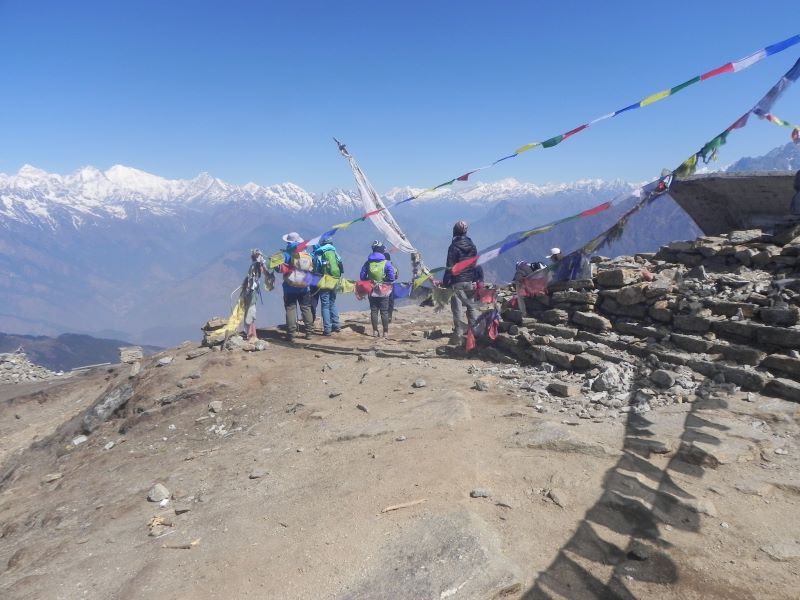
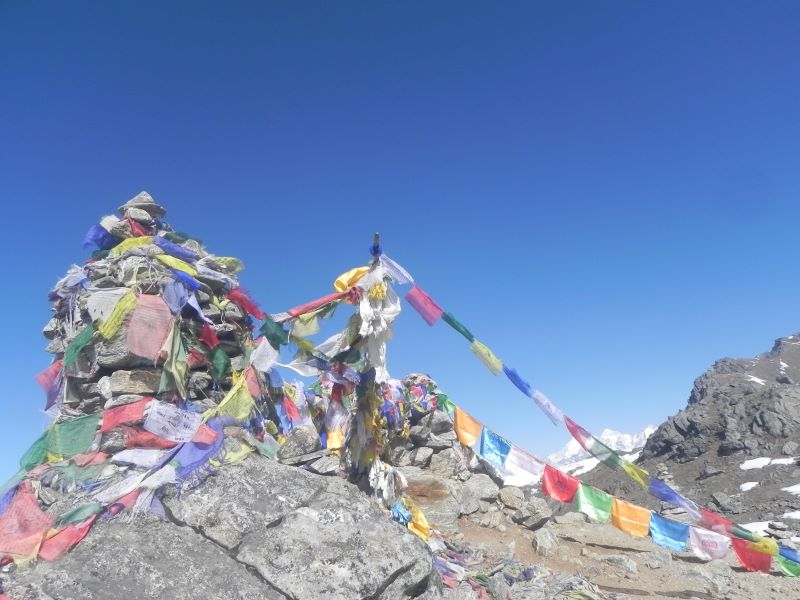
After breakfast, we begin our trek from Gosaikunda. The trail leaves the sacred lake and climbs through rugged and scenic terrain, passing by four more small alpine lakes before reaching the Lauribina La Pass (4,600 m), the highest point of the trek.
From the pass, we can enjoy spectacular panoramic views of the surrounding Himalayan peaks. Along the way, we can look back toward the magnificent Manaslu and Ganesh Himal ranges, as well as the now-familiar Langtang Lirung.
After crossing the Lauribina La Pass, the trail descends steeply through the rugged mountain landscape toward Ghopte. Upon arrival, we check in at a local guesthouse and have time to rest and enjoy the peaceful surroundings.
Overnight at a guesthouse in Ghopte.
From the pass, we can enjoy spectacular panoramic views of the surrounding Himalayan peaks. Along the way, we can look back toward the magnificent Manaslu and Ganesh Himal ranges, as well as the now-familiar Langtang Lirung.
After crossing the Lauribina La Pass, the trail descends steeply through the rugged mountain landscape toward Ghopte. Upon arrival, we check in at a local guesthouse and have time to rest and enjoy the peaceful surroundings.
Overnight at a guesthouse in Ghopte.
Day 07:Trek from Ghopte to Kutumsang (2,450m) 6 hours walk.
After breakfast, we begin our trek and join the Helambu trekking route. The trail passes through beautiful alpine forests and offers a peaceful and scenic walking experience.
After approximately one and a half hours of trekking, we reach Magin Goth, where we can stop for lunch and enjoy magnificent views of the snow-capped peaks of the Jugal Himalayan range to the east and the Ganesh and Manaslu ranges to the west.
After lunch, we continue our journey along a descending trail for several hours toward Kutumsang. Along the way, we enjoy the lush forests, beautiful landscapes, and peaceful mountain surroundings.
Upon reaching Kutumsang, we check in at a local guesthouse and relax for the evening.
Overnight at a guesthouse in Kutumsang.
After approximately one and a half hours of trekking, we reach Magin Goth, where we can stop for lunch and enjoy magnificent views of the snow-capped peaks of the Jugal Himalayan range to the east and the Ganesh and Manaslu ranges to the west.
After lunch, we continue our journey along a descending trail for several hours toward Kutumsang. Along the way, we enjoy the lush forests, beautiful landscapes, and peaceful mountain surroundings.
Upon reaching Kutumsang, we check in at a local guesthouse and relax for the evening.
Overnight at a guesthouse in Kutumsang.
Day 08:Trek from Kutumsang to chisapani (2,130m) 7 hours walk.
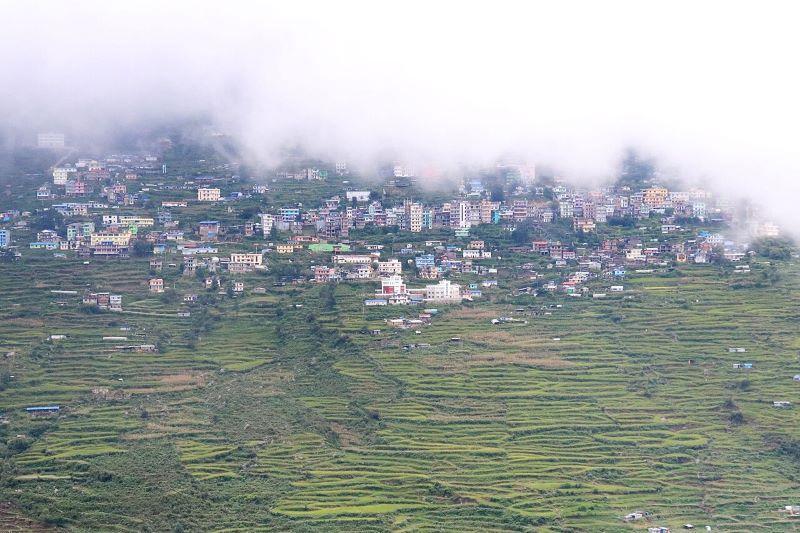
After breakfast, we begin our trek with a pleasant morning walk through several rural farming villages. The trail passes through the charming village of Gul Bhanjyang before continuing toward Pati Bhanjyang.
After approximately 3–4 hours of trekking, we reach the final section of the trail, which involves a short uphill climb toward Chisopani Danda. Upon arrival, we check in at a local guesthouse and have time to relax while enjoying the peaceful surroundings and beautiful mountain scenery.
Overnight at a guesthouse in Chisopani.
After approximately 3–4 hours of trekking, we reach the final section of the trail, which involves a short uphill climb toward Chisopani Danda. Upon arrival, we check in at a local guesthouse and have time to relax while enjoying the peaceful surroundings and beautiful mountain scenery.
Overnight at a guesthouse in Chisopani.
Day 09:Trek from Chisapani to sundarijal (1,350 m) and Drive back to kathmandu.
After breakfast, we begin the final day of this beautiful journey through some of the most scenic landscapes in Nepal.
In the morning, we walk through serene forests and farmlands before reaching the ridgeline of Burlang and Chepu Bhanjyang (2,438 m). From here, we can enjoy magnificent views of the Kathmandu Valley.
The trail then descends toward Sundarijal, meaning "beautiful water," passing through cool forests, where we may encounter monkeys and refreshing mountain streams. Sundarijal is a popular picnic destination for people from Kathmandu who come here to enjoy nature and escape the hustle and bustle of metropolitan life.
After approximately another hour of descending from Sundarijal, we reach the roadhead and drive back to Kathmandu. Upon arrival, we check in at the hotel and have time to relax after completing our memorable journey.
Overnight at a hotel in Kathmandu.
In the morning, we walk through serene forests and farmlands before reaching the ridgeline of Burlang and Chepu Bhanjyang (2,438 m). From here, we can enjoy magnificent views of the Kathmandu Valley.
The trail then descends toward Sundarijal, meaning "beautiful water," passing through cool forests, where we may encounter monkeys and refreshing mountain streams. Sundarijal is a popular picnic destination for people from Kathmandu who come here to enjoy nature and escape the hustle and bustle of metropolitan life.
After approximately another hour of descending from Sundarijal, we reach the roadhead and drive back to Kathmandu. Upon arrival, we check in at the hotel and have time to relax after completing our memorable journey.
Overnight at a hotel in Kathmandu.
Day 10:Final Departure from Kathmandu 20 minutes Drive off to TIA Airport.
As per your flight departure schedule, the airline requires us to be there at least 3 hours before your departure time. Therefore, we will transfer our guest to Tribhuvan International Airport (TIA) for the final departure.
Mountain Miracle Treks would like to thank you very much for giving us the opportunity to serve and facilitate your Nepal trip. We hope that you won’t forget us when you think of your next holiday in Nepal. We are always here and ready to facilitate and serve your Nepal trip.
Well, it’s time to say goodbye, and we wish you a very safe journey back to your loving home.
Mountain Miracle Treks would like to thank you very much for giving us the opportunity to serve and facilitate your Nepal trip. We hope that you won’t forget us when you think of your next holiday in Nepal. We are always here and ready to facilitate and serve your Nepal trip.
Well, it’s time to say goodbye, and we wish you a very safe journey back to your loving home.
Cost Includes
- The airport picks you up and drops by private vehicle for your Arrival and departure.
- Depending on the group size, we provide ground transportation with a car, van, jeep, coaster, or Sutlej.
- Full-day city sightseeing tour of Kathmandu's world heritage sites with an experienced tour guide.
- Three-night Accommodation in Kathmandu and Pokhara on a twin-sharing basis on the BB plan.
- Accommodation in Guest houses/lodges during your Trek on a sharing basis.
- Essential documents include the National Park trek permit, VDC authorization permit, and TIM card.
- We provide local bus services from Kathmandu to Syafrubesi and from Sundarijal private transport back to Kathmandu.
- We provide meals—breakfast, lunch, and dinner—along during the trek.
- A knowledgeable, friendly, and supportive trekking guide will be with you throughout your entire trekking journey.
- We provide porters. Each pair of trekkers will have one porter to carry their luggage.
- We will serve seasonal fruits as dessert after your dinner during the trekking period.
- If needed, we provide sleeping bags, down jackets, and duffle bags, which you must return after finishing the trek.
- A general medical first aid kit will be provided for common medical issues (Please consult your doctor if you have chronic diseases and obtain a prescription before traveling to Nepal).
- Emergency helicopter services will be arranged and covered by your travel insurance. Clients should have travel insurance, including high-altitude sickness emergencies and helicopter evacuation services.
- A farewell dinner in Kathmandu at a traditional Nepali cultural restaurant after finishing the Trek.
- All government taxes, VAT, and company service charges.
Cost Excludes
- All alcoholic beverages, cold drinks, and dessert items are excluded.
- Entrance fees for monuments and temples during your city tour.
- Hot shower, Wi-Fi, battery charging, etc. during the Trek.
- Personal trek/ tour gear (equipment) is not included.
- Tipping for a guide, porters, and driver is expected.
- Any additional expenses that are not specified in the included section.
Trip Fact
-
Destination Nepal
-
Duration 8 Days
-
Trip Difficulty Moderate
-
Activity Trekking
-
Accomodation Lodge to lodge
- Transportation: Private Vehicle / Bus
- Meals: Breakfast + Lunch + Dinner
- Mix- Altitude : 4,610 m
- Group Size : 1-15
Quick Inquiry
Similar Packages
Tamang Heritage Trek
Duration: 11 Days
Trip Details 
Helambu Trek
Duration: 9 Days
Trip Details 
Langtang Valley Trek
Duration: 11 Days
Trip Details 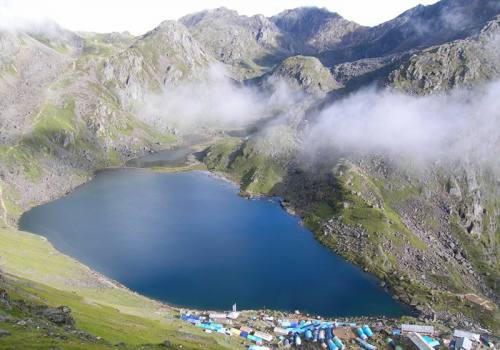
Langtang Gosaikunda Lauribina Pass Trek
Duration: 16 Days
Trip Details Instagram Showcase
We Are Certified


We Accept


© Copyright 2026 - Mountain Miracle Treks and Expedition Pvt. Ltd. All Rights Reserved.