-
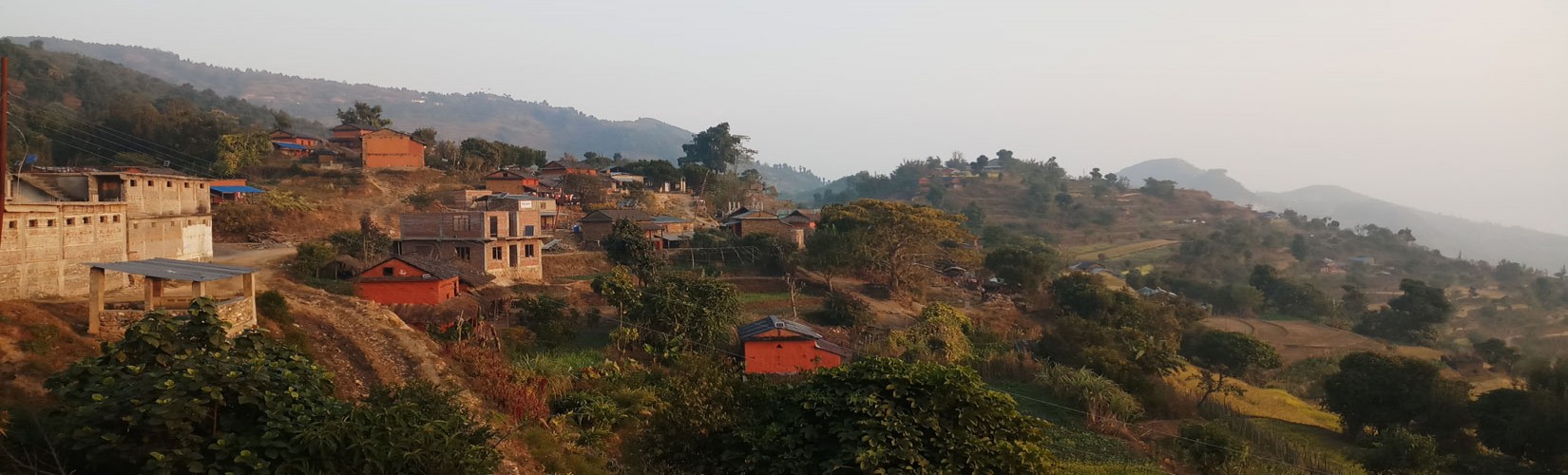 Chepang hill trek
Chepang Hill Trek - 5 Days
Chepang community based trekkingTRIP COST
Contact Us
Contact Us
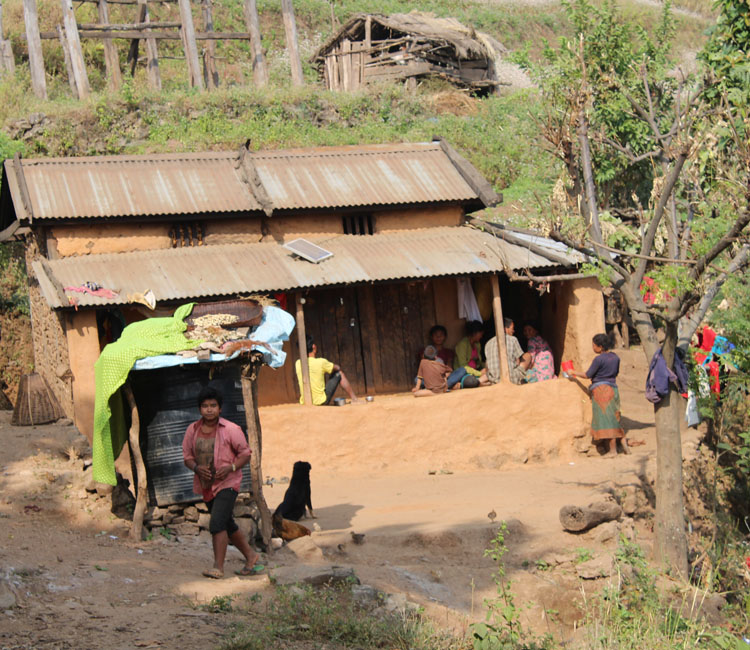
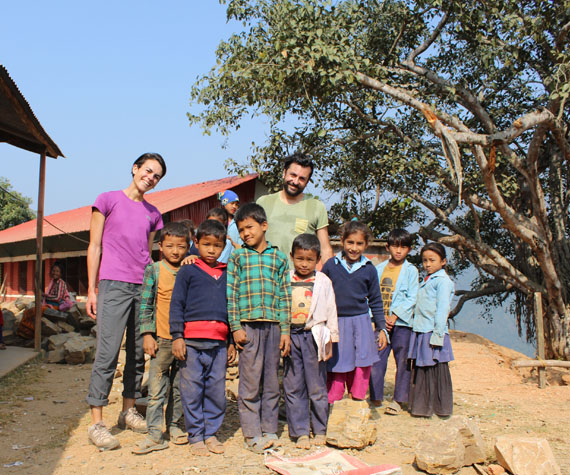
Cultural Immersion: The trek offers a rare opportunity to engage with the Chepang community—a semi-nomadic indigenous group with a rich heritage—through homestays and cultural exchanges.
Scenic Beauty: The Siraichuli Peak (1,945m) provides spectacular panoramic views of major Himalayan ranges, including Dhaulagiri, Annapurna, Manaslu, Langtang, and Gaurishankar, as well as the Terai plains.
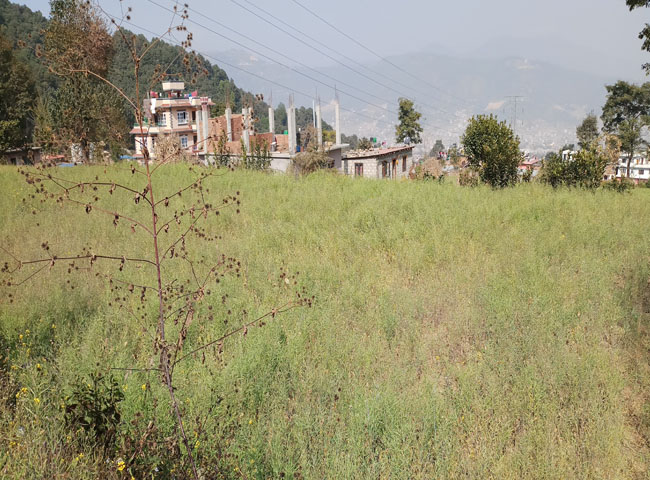
Biodiversity: The trail passes through lush forests (including pine and rhododendron) and is a haven for birdwatchers, with over 230 bird species. It also skirts Chitwan National Park, known for its one-horned rhinos and tigers.
Accessibility: The trek is moderate in difficulty, making it suitable for trekkers of various experience levels, with daily hiking durations of 3–5 hours.
Eco-Tourism & Community Impact: By promoting this trail, the initiative supports local economies, raises social standards, and emphasizes sustainable tourism.
The itinerary starting from Kathmandu to Hugdi, then progressing through Hattibang and Jogipuri, sounds well-paced and rewarding. Travelers can expect a mix of natural landscapes, from river valleys and terraced fields to forested trails and vibrant villages.
It’s wonderful that companies like Mountain Miracle Treks are facilitating this experience with a focus on comfort, safety, and meaningful engagement with local culture and nature.
If anyone is interested in a trek that’s off the beaten path, rich in both natural and cultural experiences, and contributes positively to local communities, the Chepang Hill Trek seems like a fantastic choice.
Why Choose This Trek?
For travelers seeking an off-the-beaten-path adventure that combines nature, culture, and conservation, the Chepang Hill Trek is an excellent choice. It’s less crowded than the more famous treks in Nepal but equally rewarding.
How Mountain Miracle Treks Enhances the Experience:
As you mentioned, Mountain Miracle Treks focuses on comfort, safety, and personalized service, ensuring that trekkers can fully immerse themselves in the experience without logistical worries.
If anyone is interested in booking this trek or has questions about preparation, duration, best time to visit, or cultural etiquette, I’d be happy to help! The ideal seasons for this trek are typically spring (March–May) and autumn (September–November), when the weather is clear and the views are at their best. Would you like additional information or tips for someone considering this hike? Please contact us.
Trip Highlights
- The elephant stone gives the name Hattibang to the village.
- Birds like the Eurasian Jay, White-browed Shrike Babbler, Mountain Bulbul, and more
- Savor ethnic Chepang foods in Jandala and points along the way.
- On day three, you will head to Siraichuli, Chisapanitor, and Gadi.
- On day four, you will descend to Shaktikhor through the Sal Forest to the Chepang Museum.
Outline Itinerary:
Short Itinerary
Day 01:Arrival in Kathmandu (1365m) and transfer to the hotel overnight in Kathmandu.
We will ensure you have no issues on your arrival day. Our team will be at the airport to pick you up and drive you to the hotel. They will help you with your luggage and check in at the hotel. Take your time to unpack and rest, and explore the streets of Thamel
overnight in kathmandu
overnight in kathmandu
Day 02:Drive 3 hours from Kathmandu to Hugdi khola and trek to Hattibang (1410 m) 5 hours walk.
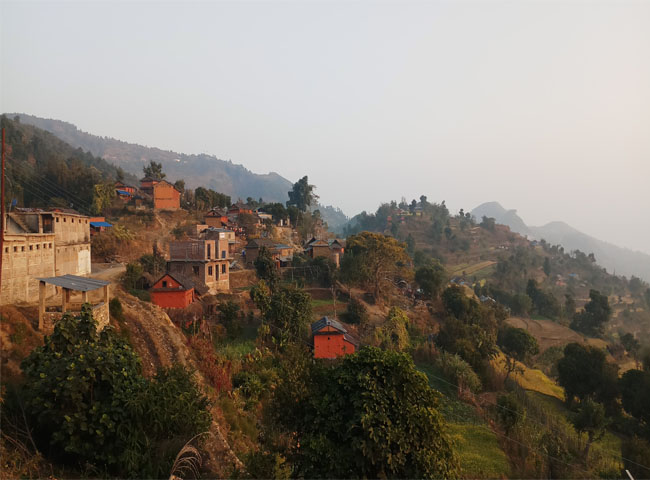
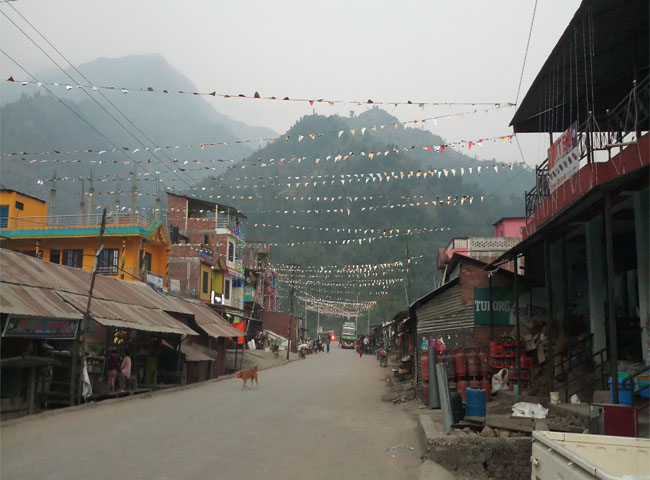
Early in the morning, we drive approximately 80 km from Kathmandu by bus or private vehicle to Hugdi Khola. After a short tea break, we begin our trek toward Hattibang. The uphill hike takes approximately 5 hours, offering beautiful views of the Nepalese countryside along the way.
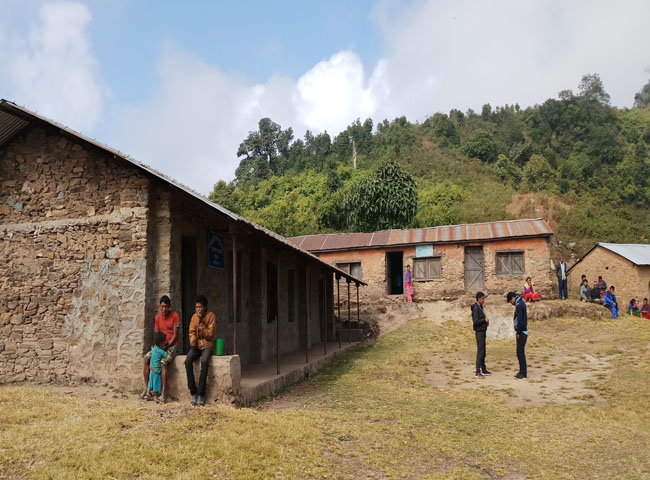
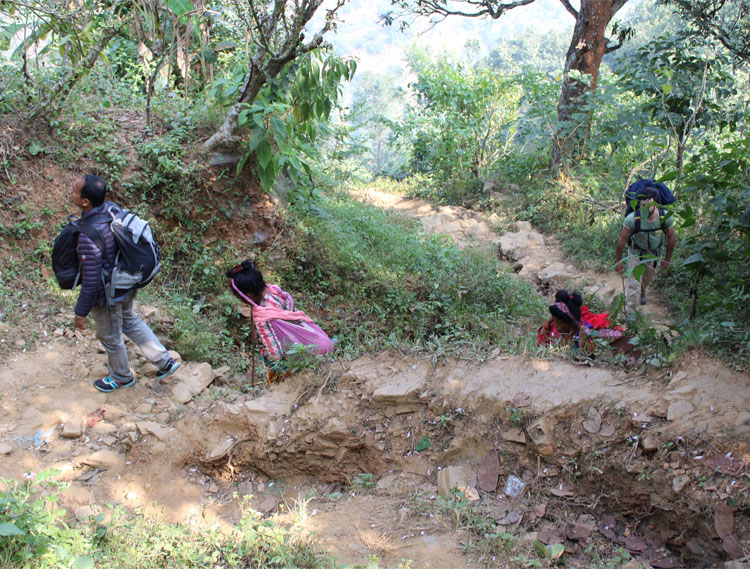
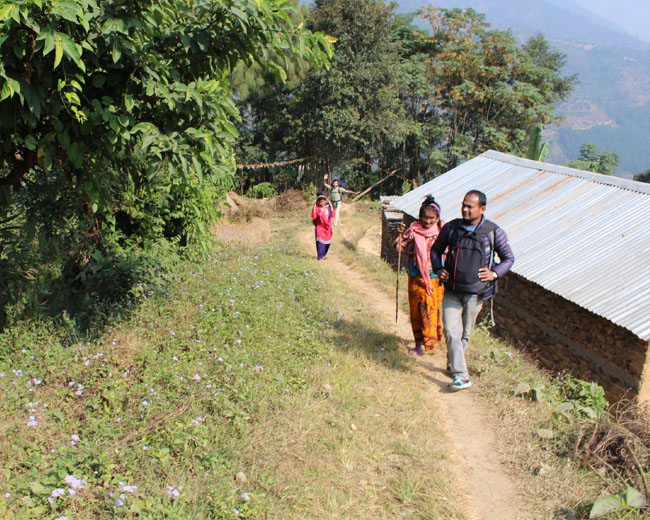
The trail passes through traditional villages and provides an authentic glimpse into the daily lives, culture, and livelihoods of the local hill communities. We encounter communities including the Magar and Chepang people, who proudly preserve their unique traditions and cultural practices.
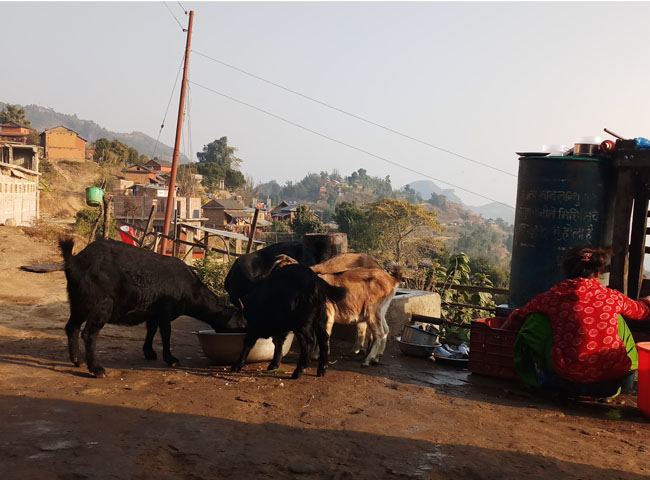
Upon reaching Hattibang, we stay overnight at a local community homestay, providing an opportunity to experience warm Nepalese hospitality and village life.
The trail passes through traditional villages and provides an authentic glimpse into the daily lives, culture, and livelihoods of the local hill communities. We encounter communities including the Magar and Chepang people, who proudly preserve their unique traditions and cultural practices.
Upon reaching Hattibang, we stay overnight at a local community homestay, providing an opportunity to experience warm Nepalese hospitality and village life.
Day 03:Trek from Hattibang to Jyandala (1600 m) via Siraichuli ( 1,950 m) 4 hours walk.
After breakfast, we begin our trek from Hattibang to Jyandala, following the main trail for approximately 4 hours. The route passes mainly through peaceful forests, where we can enjoy the refreshing surroundings and listen to the songs of various bird species.
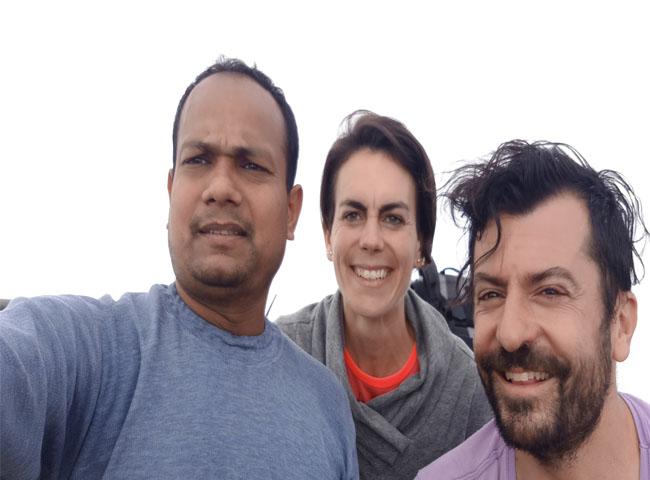
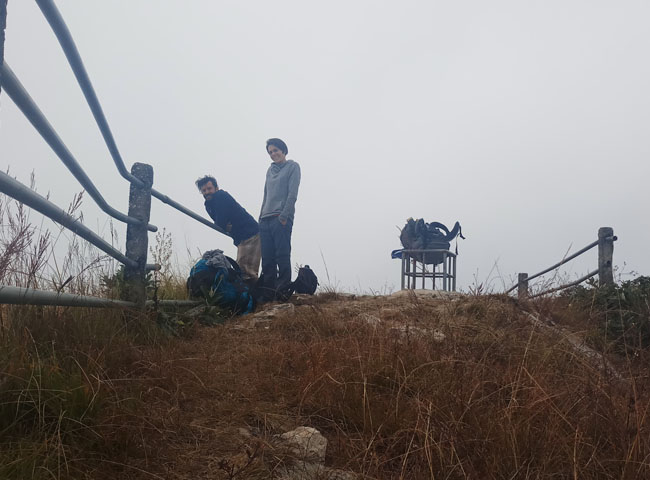
Along the way, we visit Siraichuli Viewpoint (1,950 m), the highest point of our journey. From the viewpoint, we can enjoy spectacular panoramic views of the Himalayan ranges, including Annapurna, Manaslu, Ganesh Himal, Langtang, Gaurishankar, and many other snow-capped peaks.
We then descend to the beautiful Chapang village, where we have a wonderful opportunity to experience the local lifestyle, traditions, and culture firsthand. We spend the night at a welcoming local homestay and enjoy an authentic village experience.
Along the way, we visit Siraichuli Viewpoint (1,950 m), the highest point of our journey. From the viewpoint, we can enjoy spectacular panoramic views of the Himalayan ranges, including Annapurna, Manaslu, Ganesh Himal, Langtang, Gaurishankar, and many other snow-capped peaks.
We then descend to the beautiful Chapang village, where we have a wonderful opportunity to experience the local lifestyle, traditions, and culture firsthand. We spend the night at a welcoming local homestay and enjoy an authentic village experience.
Day 04:Trek from Jyandala to Upper Danggadi (1,275 m) 7 hours walk.
After an early breakfast, we begin our trek toward Upper Dangadhi. The trail passes through a renowned bird-watching area, where we have an excellent opportunity to observe more than 255 species of birds in their natural habitat.
The surrounding dense forest is also home to a variety of wildlife, making the walk a rewarding experience for nature and wildlife enthusiasts. We continue through the peaceful forest landscape before reaching Upper Dangadhi, where we spend the night at a local homestay and enjoy the warm hospitality of the community.
The surrounding dense forest is also home to a variety of wildlife, making the walk a rewarding experience for nature and wildlife enthusiasts. We continue through the peaceful forest landscape before reaching Upper Dangadhi, where we spend the night at a local homestay and enjoy the warm hospitality of the community.
Day 05:Trek from Uppe Danggadi to shaktikhor (365 m) 6 hours walk.
We trek downhill to Shaktikhor for approximately five hours. Upon arrival, we enjoy lunch before exploring the local attractions, including the Chepang Museum, Tourist Information Center, mysterious caves, and a beautiful waterfall.
In the evening, we return to our hotel in Shaktikhor, where we relax and enjoy a well-deserved overnight stay.
In the evening, we return to our hotel in Shaktikhor, where we relax and enjoy a well-deserved overnight stay.
Day 06:Drive from Shaktikhor to 20,000 Lake and overnight in Bharatpur (205 m).
Bishazari Tal is a vast oxbow lake and wetland system located in the buffer zone of Chitwan National Park in Nepal’s Inner Terai region. Covering approximately 3,200 hectares (7,900 acres) at an elevation of 286 meters (938 feet), the wetland is surrounded by diverse landscapes and rich natural habitats.
The Mahabharat Range lies to the north, while the Siwalik Hills are located further south. Bishazari Tal is an important wetland ecosystem and was designated as a Ramsar Site in August 2003.
After exploring Bishazari Tal, visitors can enjoy boating on the Narayani River and discover nearby attractions, including CG Dham and local markets. In the evening, we settle into our accommodation in Bharatpur or Narayangarh for an overnight stay.
The Mahabharat Range lies to the north, while the Siwalik Hills are located further south. Bishazari Tal is an important wetland ecosystem and was designated as a Ramsar Site in August 2003.
After exploring Bishazari Tal, visitors can enjoy boating on the Narayani River and discover nearby attractions, including CG Dham and local markets. In the evening, we settle into our accommodation in Bharatpur or Narayangarh for an overnight stay.
Day 07:Drive from Bharatpur/Narayanghat to Kathmandu (1,365m) 7 hours Drive.
After breakfast, we begin our scenic drive from Bharatpur to Kathmandu, covering approximately 146 km. The journey typically takes around 6–7 hours by bus or private vehicle. Following the Prithvi Highway, we travel alongside the beautiful Narayani, Marsyangdi, and Trishuli rivers, enjoying picturesque views of the hills, valleys, and countryside along the way.
Upon arrival in Kathmandu, you will have some free time to relax or explore the surrounding area. In the late evening, we gather for a special farewell dinner and celebrate the wonderful memories of our journey through Nepal. Overnight in Kathmandu.
Upon arrival in Kathmandu, you will have some free time to relax or explore the surrounding area. In the late evening, we gather for a special farewell dinner and celebrate the wonderful memories of our journey through Nepal. Overnight in Kathmandu.
Day 08:Final departure from kathmandu ( TIA) Airport drop off.
As per your flight departure schedule, the airline requires us to be there at least 3 hours before your departure time. Therefore, we will transfer our guest to Tribhuvan International Airport (TIA) for the final departure.
Mountain Miracle Treks would like to thank you very much for giving us the opportunity to serve and facilitate your Nepal trip. We hope that you won’t forget us when you think of your next holiday in Nepal. We are always here and ready to facilitate and serve your Nepal trip.
Well, it’s time to say goodbye, and we wish you a very safe journey back to your loving home.
Mountain Miracle Treks would like to thank you very much for giving us the opportunity to serve and facilitate your Nepal trip. We hope that you won’t forget us when you think of your next holiday in Nepal. We are always here and ready to facilitate and serve your Nepal trip.
Well, it’s time to say goodbye, and we wish you a very safe journey back to your loving home.
Cost Includes
- Airport pick-up and drop-off by private vehicle for your Arrival and departure.
- We provide ground transportation with a car, van, jeep, coaster, or Sutlej, Local Bus, depending on the group size.
- Accommodation in Kathmandu on a twin-sharing basis on the BB plan.
- Accommodation and meals will be provided during the entire hiking period.
- Experienced, friendly, and helpful trek/tour guide for your holiday in Nepal.
- City sightseeing in Kathmandu and a tour outside the valley, including an itinerary and a guide.
- Necessary documentation work and entrance fees, as we need to provide them during your hike.
- A farewell dinner in Kathmandu at a traditional Nepali cultural restaurant after finishing the tour.
- All government taxes, VAT, and company service charges.
Cost Excludes
- All alcoholic beverages, cold drinks, and dessert items are excluded.
- Entrance fees for monuments and temples during your city tour.
- Expenses for personal items and meals while you are in urban areas like Kathmandu or Pokhara.
- Personal trek/ tour gear (equipment) is not included.
- Tipping for a guide and driver is expected.
- Any additional expenses that are not specified in the included section.
Trip Fact
-
Destination Nepal
-
Duration 5 Days
-
Trip Difficulty Moderate
-
Activity Home Stay
-
Accomodation Lodge to lodge
- Transportation: Private Vehicle / Bus
- Meals: Breakfast + Lunch + Dinner
- Min. Age: 5
Quick Inquiry
Similar Packages
Chisapani Nagarkot Hiking
Duration: 5 Day
Trip Details 
Daman Hiking
Duration: 4 Days
Trip Details 
Chitlang Homestay Hiking
Duration: 5 Days
Trip Details 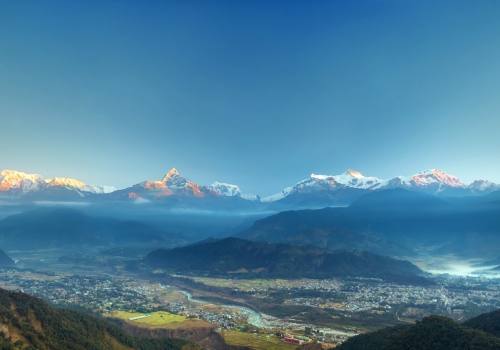
Dhampus Sarangkot Trek
Duration: 8 Days
Trip Details 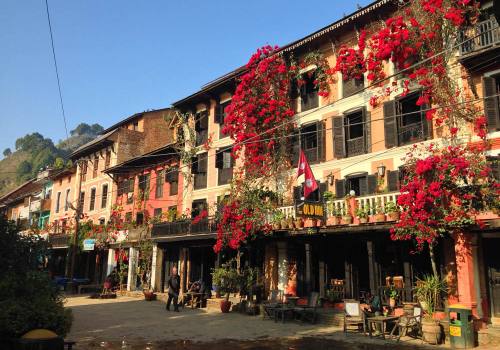
Bandipur Village tour
Duration: 5 Days
Trip Details 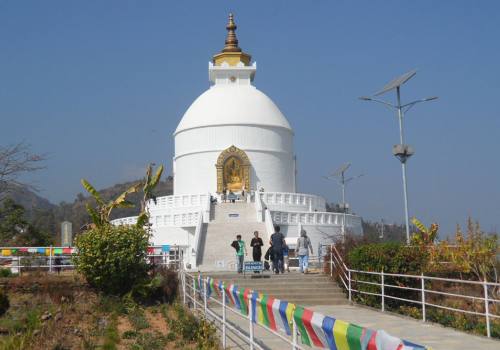
Heritage and Natural Sites Tour in Nepal
Duration: 9 Days
Trip Details 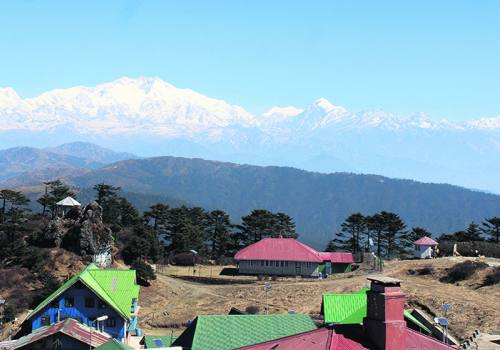
Sandakpur Ilam Trek in Nepal
Duration: 11 Days
Trip Details 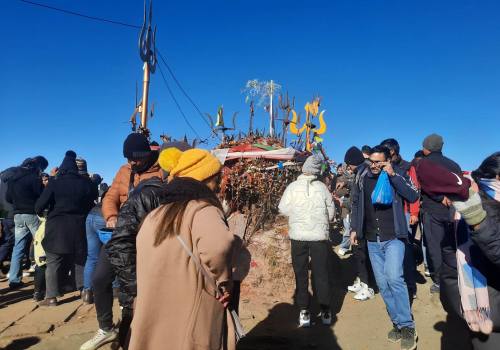
Dolakha Kalinchowk Hiking
Duration: 2 Days
Trip Details 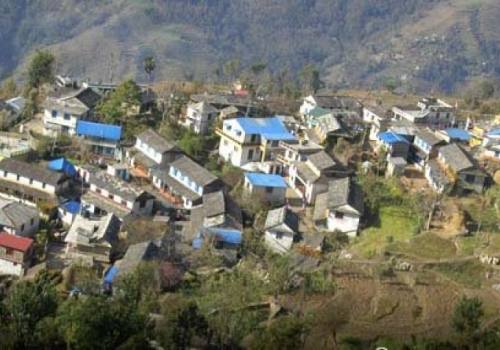
Sirubari Homestay Tour
Duration: 6 Days
Trip Details 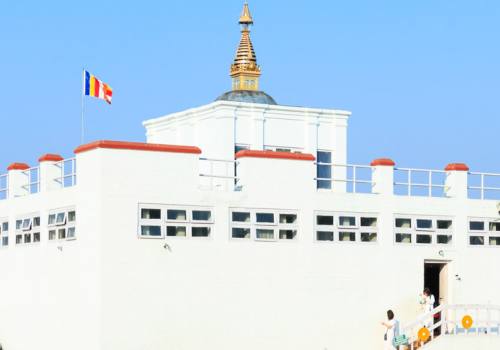
Lumbini Tour Package
Duration: 5 Days
Trip Details Instagram Showcase
We Are Certified


We Accept


© Copyright 2026 - Mountain Miracle Treks and Expedition Pvt. Ltd. All Rights Reserved.