-
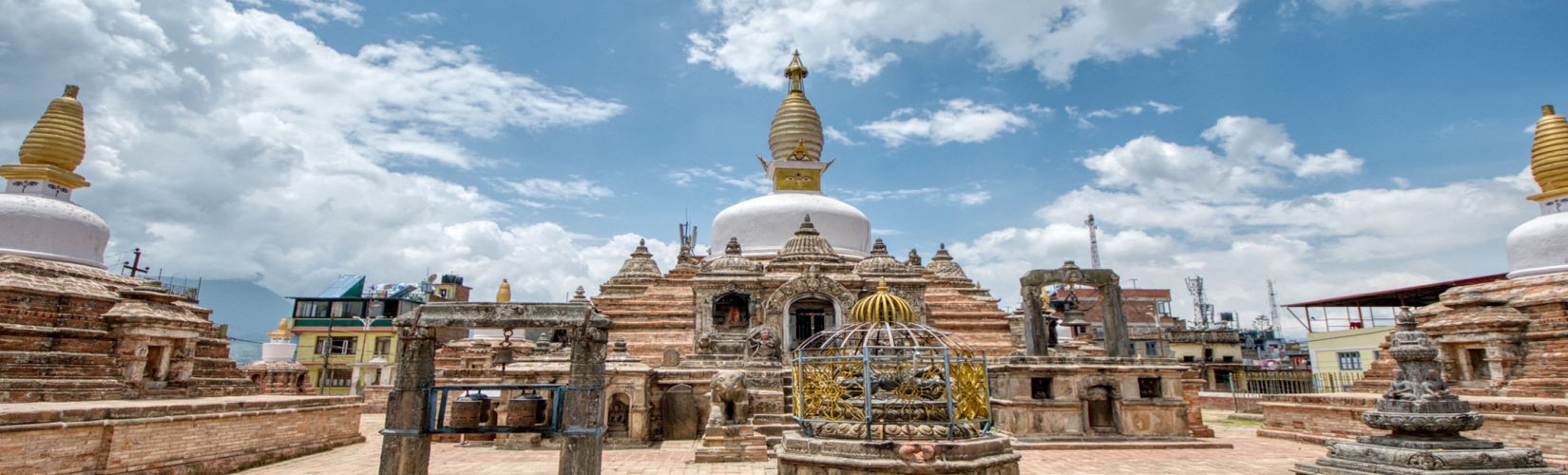 Kirtipur Buddha Bihar
Kirtipur Day tour - 1 Days
old kirtipur Buddhist stupaTRIP COST
Contact Us
Contact Us
You can soak in the atmosphere of a traditional walled town while enjoying its ancient architecture and observing Newari culture. Kirtipur is one of Nepal’s oldest towns, located just 9 km from the heart of Kathmandu. These days, it can be difficult to distinguish where one old town ends and the next begins. During this tour, you will gain insights into both Buddhism and Hinduism.
Before the unification of Nepal, Kirtipur was governed as an independent city under the patronage of the Paten Kingdom. The city was designed with a fort structure, featuring four entrances at the corners, all surrounded by a heavy wall. Due to modernization, two of the three corners are no longer visible; however, one entrance still exists at the western part of Kirtipur, known as Dev Dhaka.
You will also learn about the bravery of Kirtipur’s residents, who fought against conquest in the 18th century. During the unification war in 1767, King Prithvi Narayan Shah of the Gorkha Kingdom and his troops clashed with the people of Kirtipur three times. The first two battles favored Kirtipur, while the last resulted in a victory for the Gorkhas. In the first battle, the Gorkhali troops were defeated, and their commander, Kazi Kalu Panday, was killed along with many of his soldiers. After his death, the people of Kirtipur collected the weapons of the fallen Gorkhali soldiers and placed them at the Bagh Bhairab Temple, which can still be visited today.
Legend has it that Kirtipur was constructed from a single stone, making it resilient to earthquakes. While Kathmandu experienced significant damage during the earthquakes of 1890, 1990 B.S., and 2015 A.D., Kirtipur remained largely unaffected. Near Kirtipur, in a place called Vajungle, there is a unique cremation site where the locals still burn bodies using only six pieces of wood. This practice continues to this day and is notable because, in other areas of the Kathmandu Valley, it typically takes more than 100 kg of wood for cremation.
In addition, Kirtipur is home to numerous historical, cultural, and archaeological sites, including famous temples, traditional houses, impressive wood and stone carvings, and the vibrant Newari culture that persists throughout the town.
Trip Highlights
- The Royal Palace of Lyaku
- Traditional areas of old Kirtipur
- Newari culture, food, and habitat
- Buddhist temple of Chithubihar
- Hindu and Buddhist Temple of Bagh Bhairab
- Hindu temple of Oma Maheshwar
- West entrance gate of Kirtipur, Dev Dhoka -
- Cremation site, Bhajungle
- Thai Buddhist Stupa
Outline Itinerary:
Short Itinerary
Day 01:Drive from Kathmandu to Kirtipur for a day tour and back to kathmandu.
Our tour guide will pick you up from your hotel at the scheduled time. Please meet the guide in the hotel lobby, where a private car will be waiting to take you to a location approximately 5 km southwest of Kathmandu.
During the tour, our guide will take you to various sites and provide historical information and interesting facts about each. After the sightseeing tour is complete, you will be driven back to your hotel in Kathmandu. The return journey takes approximately 45 minutes to 1 hour, depending on traffic conditions.
During the tour, our guide will take you to various sites and provide historical information and interesting facts about each. After the sightseeing tour is complete, you will be driven back to your hotel in Kathmandu. The return journey takes approximately 45 minutes to 1 hour, depending on traffic conditions.
Cost Includes
- Private transportation like a car, van, jeep, or coaster, depending on the size of the group.
- An experienced and knowledgeable tourist guide.
- A delightful lunch accompanied by tea or coffee.
- All the government taxes, VAT, and company service charges.
Cost Excludes
- All alcoholic bar bills and cold drinks.
- Temple/heritage sites Entrance fees during your day tour.
- Tipping for a guide and driver is expected.
- Any other expenses that are not mentioned in the inclusions section.
Trip Fact
-
Destination Nepal
-
Duration 1 Days
-
Trip Difficulty Easy
-
Activity Tour
-
Accomodation 3 Star (or greater) Hotel
- Transportation: Private Car
- Meals: Breakfast + Lunch
Quick Inquiry
Similar Packages
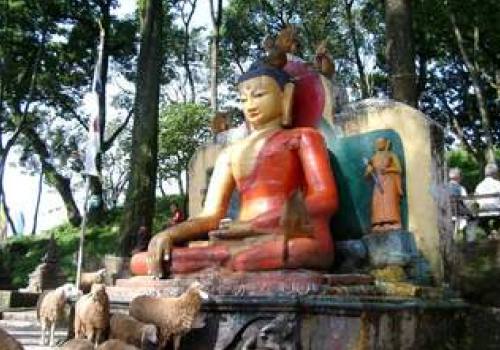
Kathmandu Valley Day Tour
Duration: 1 Day
Trip Details 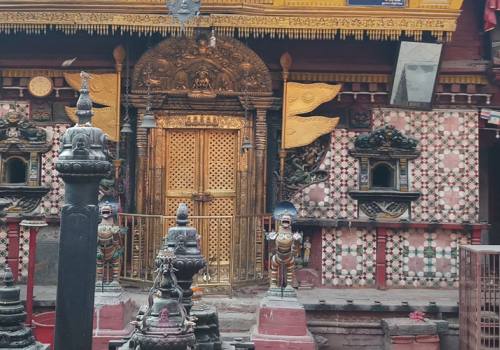
32 Maharjan (jyapu) tole of Kathmandu
Duration: 1 Day
Trip Details Instagram Showcase
We Are Certified


We Accept


© Copyright 2026 - Mountain Miracle Treks and Expedition Pvt. Ltd. All Rights Reserved.