-
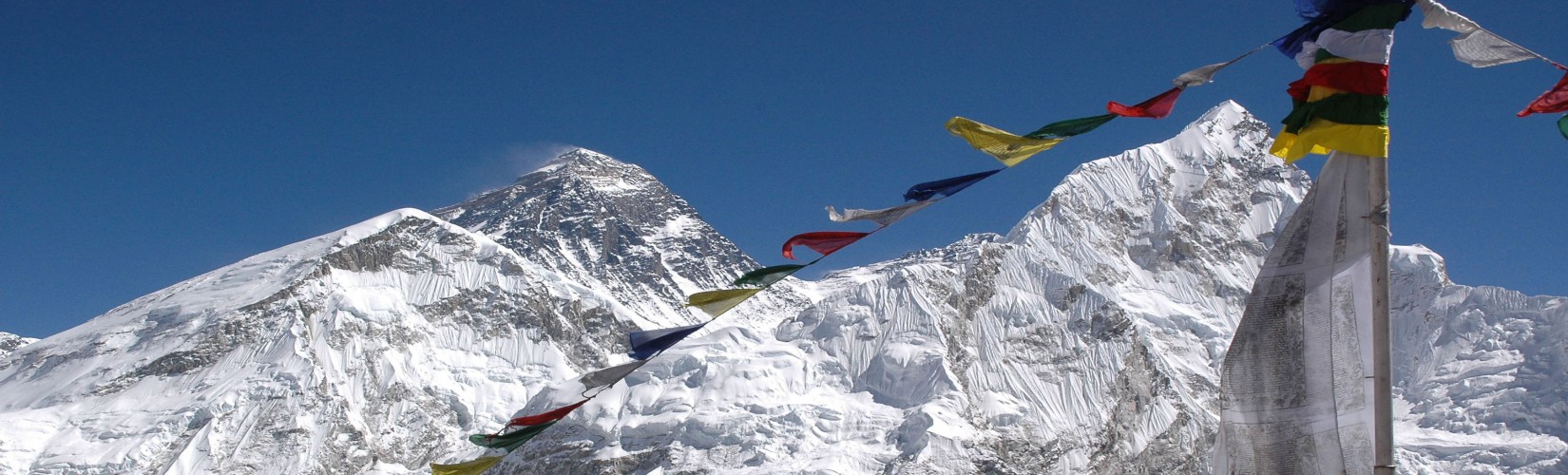 Mount Everest
Everest Region trek
Everest Region – The Heart of the Khumbu Himalayas
The Everest Region, also known as the Khumbu Region, is one of the world's most renowned destinations for trekking, mountaineering, and Himalayan adventure. Home to Mount Everest (8,848.86 m), the world's highest mountain, the region attracts adventure seekers from around the globe who come to experience its spectacular landscapes, legendary mountain trails, and unique Sherpa culture.
Mount Everest was first successfully climbed on 29 May 1953 by Sir Edmund Hillary of New Zealand and Tenzing Norgay Sherpa of Nepal. Since then, the Khumbu has become closely associated with Himalayan mountaineering and the remarkable achievements of Sherpa climbers, many of whom have played important roles in expeditions throughout the Himalayas.
The Everest Region is home to an extraordinary concentration of high mountains, including Mount Everest, Lhotse, Makalu, and Cho Oyu in the broader Himalayan area, along with numerous other spectacular peaks. The region offers an exceptional combination of towering snow-covered mountains, glaciers, deep valleys, high-altitude passes, and dramatic Himalayan landscapes.
Experience Authentic Sherpa Culture
Everest trekking is not only about mountains. It also provides an opportunity to experience the unique Sherpa culture, traditions, hospitality, and mountain lifestyle of the Khumbu communities. Traditional villages, ancient monasteries, prayer flags, mani walls, chortens, and colorful prayer wheels are found throughout the trekking routes, reflecting the region's deep Buddhist heritage.
Villages such as Namche Bazaar, Tengboche, Khumjung, Pangboche, and Thame offer fascinating opportunities to learn about local life and traditions. Visitors can explore historic monasteries, interact with local communities, and experience the warm hospitality for which the Khumbu is widely known.
Diverse Landscapes and Wildlife
The Everest Region changes dramatically with altitude. Trekking trails pass through forests of pine, fir, birch, rhododendron, and juniper, before gradually reaching alpine meadows and high Himalayan terrain. The region is home to diverse wildlife, including species adapted to the challenging mountain environment.
Glaciers, moraines, high-altitude passes, rivers, waterfalls, and rugged valleys add to the region's natural beauty and create exciting opportunities for adventure. Suspension bridges decorated with prayer flags are also an iconic part of the journey.
Trekking and Adventure in the Everest Region
The region offers a wide variety of trekking experiences, from the classic Everest Base Camp Trek to the Everest Panorama Trek, Gokyo Valley Trek, Everest Three Passes Trek, Everest Cho La Trek, and other customized Himalayan adventures.
At Mountain Miracle Treks & Expedition, our experienced travel planners and local guides design trekking itineraries that combine spectacular mountain scenery with authentic cultural experiences. Whether you are seeking a classic Everest journey, a challenging high-altitude adventure, or a quieter exploration of Sherpa villages and monasteries, we can customize an itinerary according to your interests, available time, and trekking preferences.
Access to the Everest Region
The Everest Region can be reached through several approaches. The most popular access point for trekking is Lukla, generally reached by a short flight from Kathmandu, followed by trekking through the Khumbu Valley.
For travelers seeking a longer and more traditional approach, trekking can also begin from Jiri or Salleri, depending on the selected route and current road conditions. These approaches add extra days to the journey and provide an opportunity to experience the changing landscapes and communities of the lower Solukhumbu region.
For adventurous travelers, alternative routes through areas such as the Arun Valley can also be incorporated into customized itineraries.
Discover the Khumbu with Mountain Miracle
The Everest Region is more than a destination—it is a journey through legendary mountains, living Sherpa culture, ancient Buddhist traditions, spectacular wilderness, and some of the world's most extraordinary landscapes.
Join Mountain Miracle Treks & Expedition and discover the unforgettable beauty of the Khumbu Himalayas, from peaceful mountain villages to the foot of Mount Everest.
Package (s)
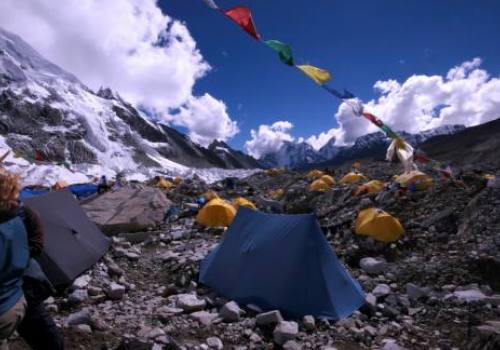
Everest Base Camp Trek
Duration: 12 Days
Trip Details 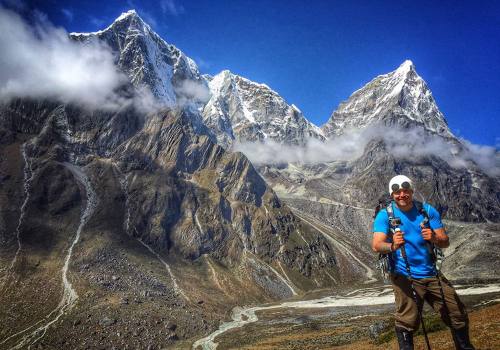
Everest View Trek
Duration: 7 Days
Trip Details 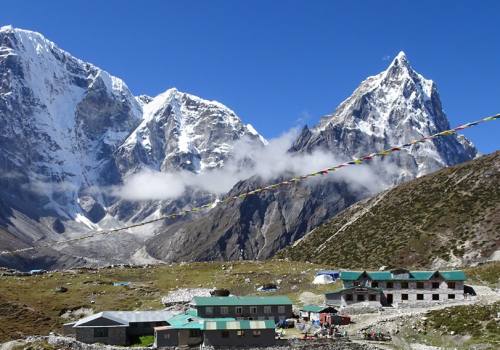
Everest Chola Pass Trek
Duration: 18 Days
Trip Details 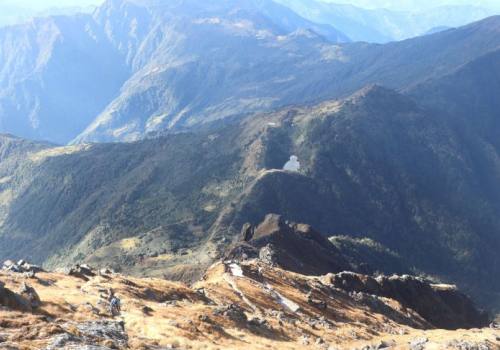
Mundum Trail Trek
Duration: 12 Days
Trip Details 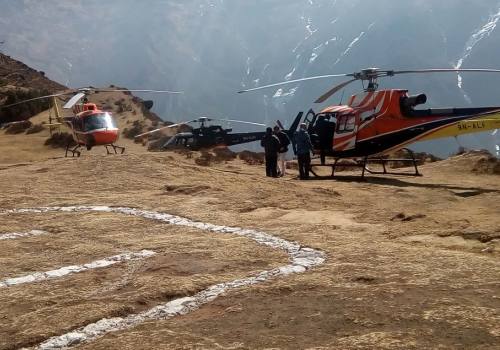
Everest Base Camp Trek Return by Helicopter
Duration: 10 Days
Trip Details 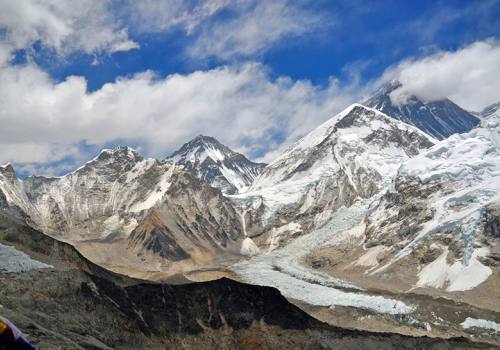
Everest Three High Pass Trek
Duration: 20 Days
Trip Details 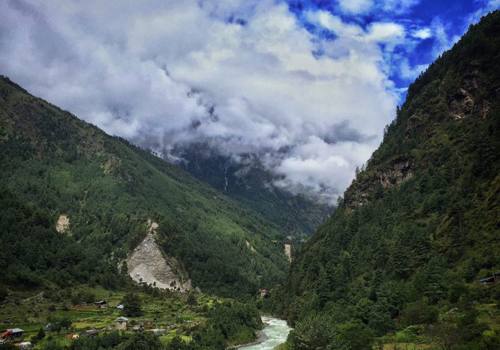
Jiri to Everest Base Camp Trek
Duration: 21 Days
Trip Details 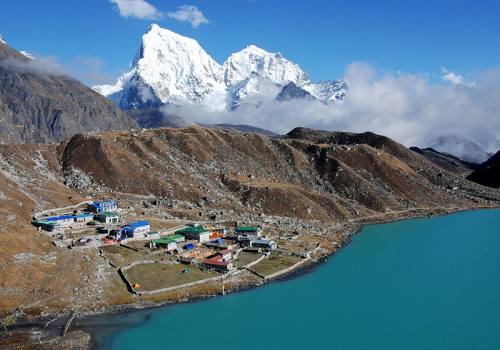
Gokyo Lake Trek
Duration: 14 Days
Trip Details 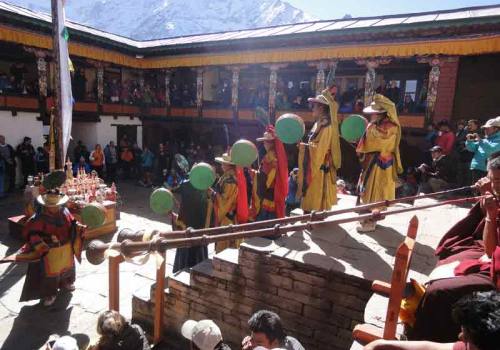
Mani Rimdu Festival Trek
Duration: 10 Days
Trip Details 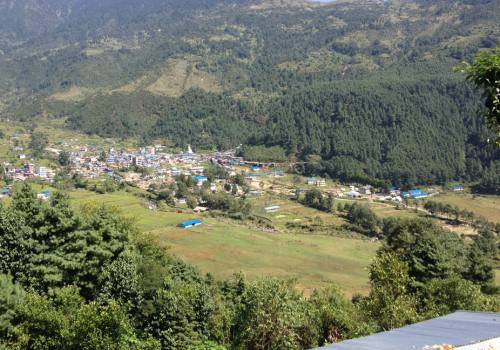
Pikey Peak Trek
Duration: 8 Days
Trip Details Instagram Showcase
We Are Certified


We Accept


© Copyright 2026 - Mountain Miracle Treks and Expedition Pvt. Ltd. All Rights Reserved.