-
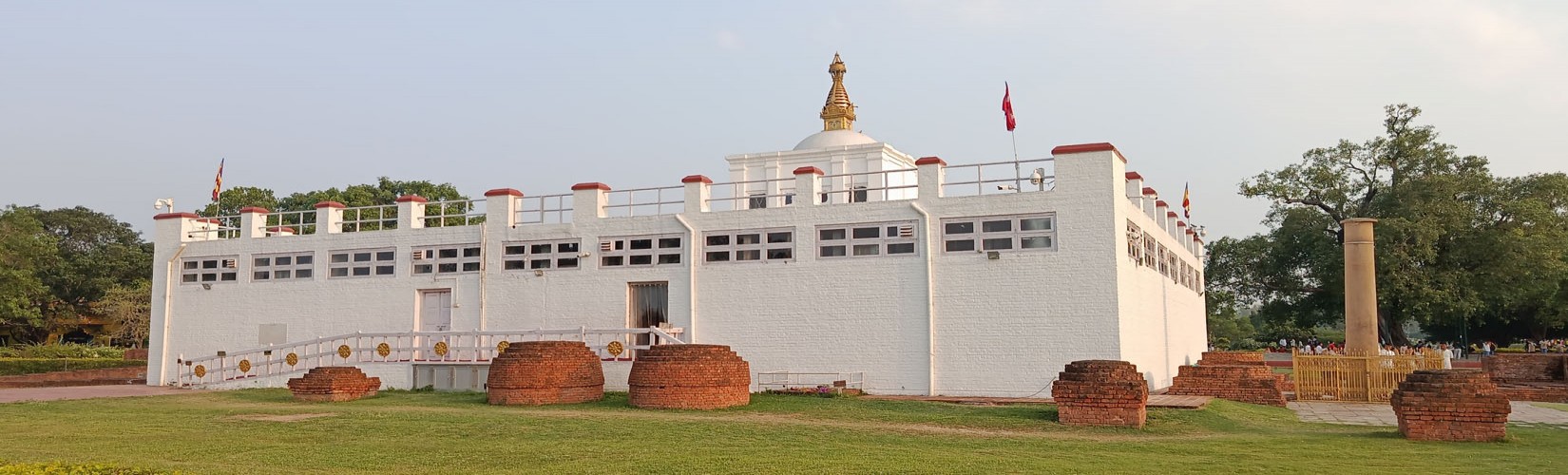 Birthplace of Buddha Lumbini Tour
Lumbini Tour Package - 5 Days
world's famous Mayadevi Temple in Lumbini NepalTRIP COST
Contact Us
Contact Us
Lumbini, the birthplace of Lord Buddha, is one of the most important Buddhist pilgrimage sites in Nepal and attracts visitors from around the world. Located in Rupandehi District in the Terai region of southern Nepal, Lumbini lies approximately 300 km from Kathmandu. Beyond its religious significance, Lumbini is a peaceful destination where travelers can explore Nepal’s rich history, culture, and Buddhist heritage.
According to Buddhist tradition, Queen Maya Devi gave birth to Siddhartha Gautama, who later became Lord Buddha, in Lumbini. He spent his early life as a prince before renouncing his royal life in search of truth and enlightenment. After attaining enlightenment, he shared his teachings on peace, compassion, and the path to liberation, which later became the foundation of Buddhism.
History and Significance of Lumbini
Lumbini is home to several important historical and archaeological sites associated with the life of Lord Buddha. The Sacred Garden, Maya Devi Temple, Ashoka Pillar, and Pushkarini Pond are among the major attractions.
Pushkarini Pond is traditionally believed to be the place where Queen Maya Devi took a ritual bath before giving birth to Siddhartha Gautama. Today, Lumbini is regarded as a symbol of peace and harmony, welcoming pilgrims and travelers from different parts of the world.
Lumbini was designated a UNESCO World Heritage Site in 1997 because of its outstanding religious, historical, and archaeological importance. The surrounding region also contains numerous archaeological sites connected with the early history of Buddhism, including Tilaurakot, Kudan, Gotihawa, Niglihawa, Sagarhawa, Devadaha, and Ramagrama.
Major Attractions Around Lumbini
1. Maya Devi Temple
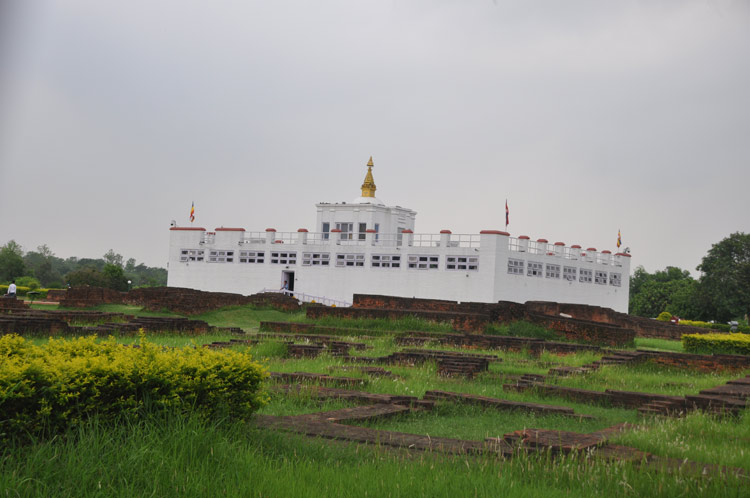
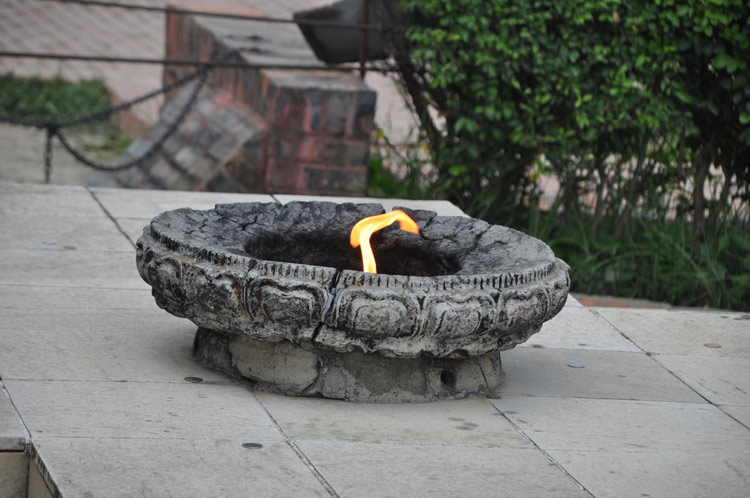
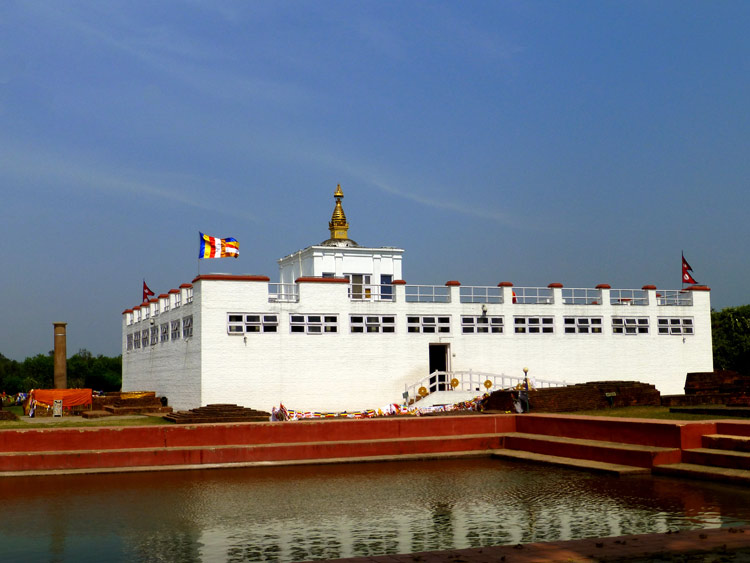
The Maya Devi Temple is the most sacred site in Lumbini and marks the traditional birthplace of Lord Buddha. Archaeological discoveries within the temple complex provide important evidence about the ancient history of the site. The temple also contains religious and archaeological remains associated with the birth of Siddhartha Gautama.
2. Lumbini Sacred Garden
The Lumbini Sacred Garden is the heart of the pilgrimage area. It includes the Maya Devi Temple, Ashoka Pillar, Pushkarini Pond, and the sacred marker stone associated with Buddha’s birthplace.
The Ashoka Pillar, erected by Emperor Ashoka in the 3rd century BC, is one of the most important historical monuments in Lumbini. It provides significant historical evidence identifying Lumbini as the birthplace of Lord Buddha.
3. Tilaurakot
Tilaurakot is an important archaeological site traditionally identified with ancient Kapilavastu, the kingdom associated with Siddhartha Gautama’s early life. According to Buddhist tradition, Siddhartha spent approximately 29 years as a prince before leaving his royal life in search of enlightenment.
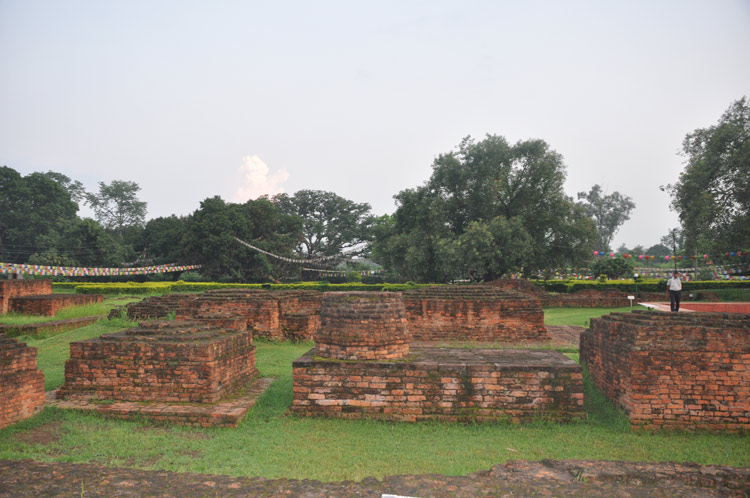
Archaeological remains at Tilaurakot include ancient structures, monasteries, stupas, fortifications, and other evidence of an early settlement.
4. Kudan
Kudan, located about 4.5 km south of Tilaurakot, is another important historical site associated with the life of Lord Buddha. Buddhist tradition connects the area with Siddhartha Gautama’s return to his homeland after attaining enlightenment and his meeting with his father, King Suddhodana.
Experience the Spiritual Heritage of Lumbini
A Lumbini tour in Nepal offers an opportunity to explore the birthplace of Lord Buddha while experiencing the peaceful atmosphere, ancient heritage, and rich Buddhist culture of the region. Visitors can explore monasteries built by different Buddhist countries, historical sites, archaeological remains, and nearby pilgrimage destinations.
Lumbini is not only important to Buddhists but also appeals to travelers interested in history, spirituality, culture, archaeology, and peace. It is a meaningful destination for anyone wishing to learn more about the life and teachings of Lord Buddha.
Nepal is proud to be the birthplace of Lord Buddha, and promoting Lumbini as an international pilgrimage and cultural destination can help visitors from around the world discover its historical and spiritual significance.
Trip Highlights
- Birthplace of Lord Buddha – Explore the sacred birthplace of Siddhartha Gautama, the Buddha.
- Maya Devi Temple – The spiritual heart of Lumbini, marking the exact site traditionally associated with the Buddha’s birth.
- Morning and Evening Prayers – Experience the peaceful atmosphere of monks, pilgrims, and visitors during daily prayers and meditation.
- Ashoka Pillar – See the historic stone pillar erected by Emperor Ashoka, marking Lumbini as the birthplace of Buddha.
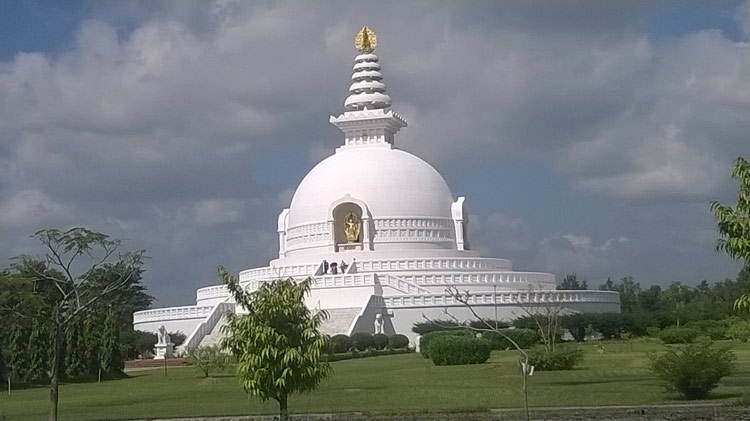
- World Peace Pagoda – Visit this beautiful white stupa, built as a symbol of peace, harmony, and non-violence.
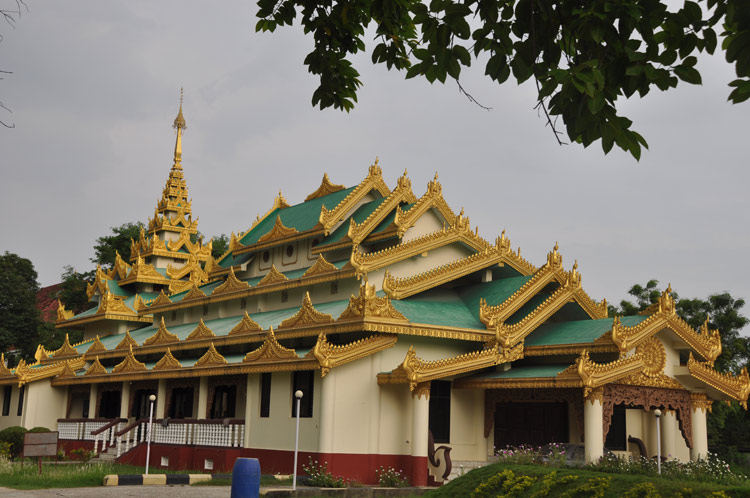
- Myanmar Golden Monastery – Admire the traditional Burmese-style architecture and peaceful Buddhist surroundings.
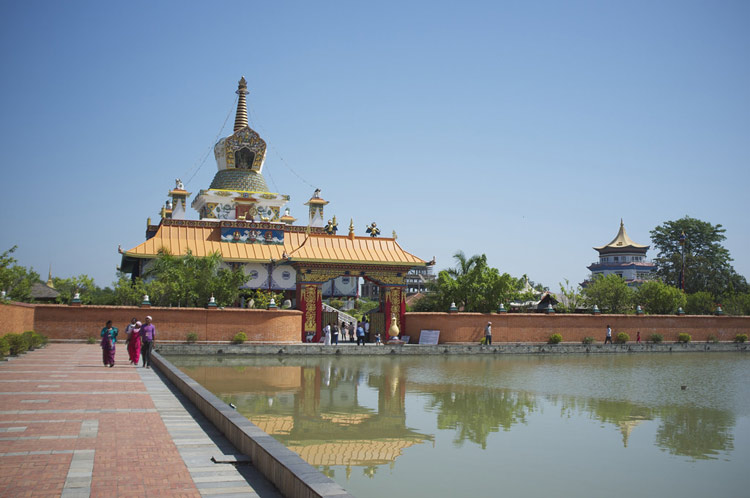
- Lumbini Monastic Zone – Discover monasteries and temples representing different Buddhist traditions from around the world.
- Royal Thai Monastery – Explore the elegant Thai-style monastery, known for its impressive architecture and tranquil setting.
- Sacred Garden and Puskarini Pond – Enjoy the serene surroundings of the Sacred Garden and the historic pond associated with Buddha’s birth.
Outline Itinerary:
Short Itinerary
Day 01:Arrival in Kathmandu and transfer to the hotel (1,400 m).
As we received your flight schedule, our airport representative will be waiting on time at the (TIA) Tribhuvan International Airport (TIA) in Kathmandu for your arrival. We will drop you off at your Hotel in a private vehicle, and you will stay overnight in Kathmandu.
Day 02:Kathmandu city tour and further tour planning (1,400m) 5 Hours tour.
After breakfast, we begin our sightseeing tour of Kathmandu, visiting four remarkable UNESCO World Heritage Sites. Our tour includes the historically and architecturally rich Kathmandu Durbar Square, the sacred Hindu temple of Pashupatinath, the fascinating “Monkey Temple” (Swayambhunath), and the magnificent Boudhanath Stupa, one of the largest stupas in the world.
We will also explore the local markets and experience the vibrant atmosphere of Kathmandu. After completing our sightseeing tour in the late afternoon, we return to the hotel for a brief meeting to prepare for the trek. This will be an opportunity to meet your trekking team and get acquainted with your guide and porters.
You will then have some free time to explore the lively streets of Thamel or purchase any last-minute trekking gear and essentials you may need. Overnight at your hotel in Kathmandu.
We will also explore the local markets and experience the vibrant atmosphere of Kathmandu. After completing our sightseeing tour in the late afternoon, we return to the hotel for a brief meeting to prepare for the trek. This will be an opportunity to meet your trekking team and get acquainted with your guide and porters.
You will then have some free time to explore the lively streets of Thamel or purchase any last-minute trekking gear and essentials you may need. Overnight at your hotel in Kathmandu.
Day 03:Drive (272 km) from Kathmandu to Lumbini- 8 hours drive ( 150 m).
After breakfast, we drive to Lumbini, located southwest of Kathmandu. The journey takes approximately 8 hours as we leave the Kathmandu Valley and travel toward the fertile lowlands of Nepal’s Terai region. The plains are generally hot and humid, except during the cooler winter months.
Lumbini is one of the most important Buddhist pilgrimage sites in the world and the birthplace of Lord Buddha. Upon arrival, if time permits, we can explore the local market and experience the traditional lifestyle and culture of the Terai region. Overnight stay in Lumbini.
Lumbini is one of the most important Buddhist pilgrimage sites in the world and the birthplace of Lord Buddha. Upon arrival, if time permits, we can explore the local market and experience the traditional lifestyle and culture of the Terai region. Overnight stay in Lumbini.
Day 04:Exploration day Full day visit in Lumbini (1,50 m) 5 hours tour.
After breakfast at the hotel, we embark on a full-day sightseeing tour of Lumbini, one of the world’s most important religious, historical, and cultural sites. We dedicate the day to exploring its remarkable monuments, temples, monasteries, and archaeological sites, which together form a UNESCO World Heritage Site.
Our first visit is to the Maya Devi Temple, the sacred site traditionally recognized as the birthplace of Lord Buddha. We explore the peaceful Sacred Garden and its surrounding landmarks, including the Ashoka Pillar, erected by Emperor Ashoka in the 3rd century BC to commemorate Buddha’s birthplace.
Lumbini is also home to numerous beautiful Buddhist monasteries and temples built by Buddhist communities from around the world, including China, Japan, Myanmar, Korea, and Tibet. Exploring these diverse architectural styles offers a fascinating insight into the global heritage of Buddhism.
After a rewarding day of sightseeing, we return to our hotel and spend the night in Lumbini.
Our first visit is to the Maya Devi Temple, the sacred site traditionally recognized as the birthplace of Lord Buddha. We explore the peaceful Sacred Garden and its surrounding landmarks, including the Ashoka Pillar, erected by Emperor Ashoka in the 3rd century BC to commemorate Buddha’s birthplace.
Lumbini is also home to numerous beautiful Buddhist monasteries and temples built by Buddhist communities from around the world, including China, Japan, Myanmar, Korea, and Tibet. Exploring these diverse architectural styles offers a fascinating insight into the global heritage of Buddhism.
After a rewarding day of sightseeing, we return to our hotel and spend the night in Lumbini.
Day 05:Drive from Lumbini to Kathmandu ( 1,365 m) 8 hours Drive.
After breakfast, we drive from Lumbini to Kathmandu, covering approximately 272 km. The journey takes around 7–8 hours via the Prithvi Highway, with stops along the way for lunch, tea, and short breaks. We may also make a few stops to enjoy the scenic landscapes and local surroundings. Upon arrival in Kathmandu, we check into the hotel and spend the night.
Day 06:Final Departure from Kathmandu (1,400 m) 20 minutes drive off to TIA Airport.
According to your flight departure schedule, and as the airline requires passengers to arrive at least 3 hours before departure, we will transfer you to Tribhuvan International Airport (TIA) for your final departure.
Mountain Miracle Treks would like to sincerely thank you for giving us the opportunity to serve you and make your Nepal trip a memorable experience. We truly appreciate your trust and support, and we hope you will remember us when planning your next holiday in Nepal.
We are always here to assist you with your future travels and adventures in Nepal.
It is now time to say goodbye. We wish you a safe, pleasant, and comfortable journey back home. We hope to welcome you to Nepal again in the future!
Mountain Miracle Treks would like to sincerely thank you for giving us the opportunity to serve you and make your Nepal trip a memorable experience. We truly appreciate your trust and support, and we hope you will remember us when planning your next holiday in Nepal.
We are always here to assist you with your future travels and adventures in Nepal.
It is now time to say goodbye. We wish you a safe, pleasant, and comfortable journey back home. We hope to welcome you to Nepal again in the future!
Cost Includes
- Airport arrival and departure transfers by private vehicle.
- Ground transportation by car, van, jeep, or coaster, depending on the group size.
- Accommodation in Kathmandu and Lumbini on a twin-sharing basis with breakfast included (BB plan).
- Accommodation and full-board meals throughout the hiking period.
- An experienced, friendly, and helpful trekking/tour guide throughout your journey.
- Guided sightseeing in Kathmandu and selected destinations outside the valley as per the itinerary.
- Necessary permits, documentation, and entrance fees required for the hiking and tour activities.
- A farewell dinner at a traditional Nepali cultural restaurant in Kathmandu after completing the tour.
- All applicable government taxes, VAT, and company service charges.
Cost Excludes
- Alcoholic beverages, soft drinks, and desserts.
- Entrance fees to monuments, temples, and other sightseeing sites.
- Personal expenses and meals in urban areas such as Kathmandu and Pokhara.
- Personal trekking or tour equipment and gear.
- Tips and gratuities for guides, porters, and drivers.
- Any other expenses not specifically mentioned in the “Included” section.
Trip Fact
-
Destination Nepal
-
Duration 5 Days
-
Trip Difficulty Easy
-
Activity Tour
-
Accomodation 3 Star (or greater) Hotel
- Transportation: Private Vehicle / Aeroplane
- Meals: Breakfast
- Group Size : 1-15
- Duration : 3 Days
Quick Inquiry
Similar Packages
Chisapani Nagarkot Hiking
Duration: 5 Day
Trip Details 
Daman Hiking
Duration: 4 Days
Trip Details 
Chitlang Homestay Hiking
Duration: 5 Days
Trip Details 
Dhampus Sarangkot Trek
Duration: 8 Days
Trip Details 
Bandipur Village tour
Duration: 5 Days
Trip Details 
Heritage and Natural Sites Tour in Nepal
Duration: 9 Days
Trip Details 
Chepang Hill Trek
Duration: 5 Days
Trip Details 
Sandakpur Ilam Trek in Nepal
Duration: 11 Days
Trip Details 
Dolakha Kalinchowk Hiking
Duration: 2 Days
Trip Details 
Sirubari Homestay Tour
Duration: 6 Days
Trip Details Instagram Showcase
We Are Certified


We Accept


© Copyright 2026 - Mountain Miracle Treks and Expedition Pvt. Ltd. All Rights Reserved.